Transforming blank walls into stunning focal points can feel daunting, especially when you’re not sure where to begin. This post aims to simplify that process for you. Whether you’re a seasoned DIY enthusiast or just starting to explore the world of home decor, these wall art designs will inspire you to unleash your creativity and bring your personal style to life.
If you love home decorating, you’re in the right place. This guide is perfect for anyone looking to elevate their space with unique and eco-friendly wall art designs. From reclaimed wood to vibrant murals, these ideas cater to all tastes and skill levels. You’ll discover that creating beautiful wall decor doesn’t have to be expensive or complicated.
In this post, I’ve gathered 17 inspiring wall art designs paint ideas that will help you transform your blank walls. You’ll find tips, techniques, and practical insights to make each project achievable and meaningful. By the end, you will have the confidence to turn your walls into a true reflection of your personality and style.
[link-whisper-related-posts]Key Takeaways
– Explore various wall art designs paint options that can fit any style, from rustic to modern. Each idea is designed to spark your creativity and elevate your home’s aesthetic.
– Discover DIY wall art methods that are not only fun but also eco-friendly. Many projects incorporate upcycled materials, making them sustainable choices for your decor.
– Learn about nature-inspired murals and their ability to bring the outdoors into your home. This approach can create a calming atmosphere and enhance your living space.
– Understand the impact of color block walls and how they can define areas within a room. This technique allows you to experiment with different hues and shapes.
– Find out how to incorporate textured wall panels and other three-dimensional elements to add depth to your decor. These features can create visual interest and make your walls stand out.
1. Reclaimed Wood Art
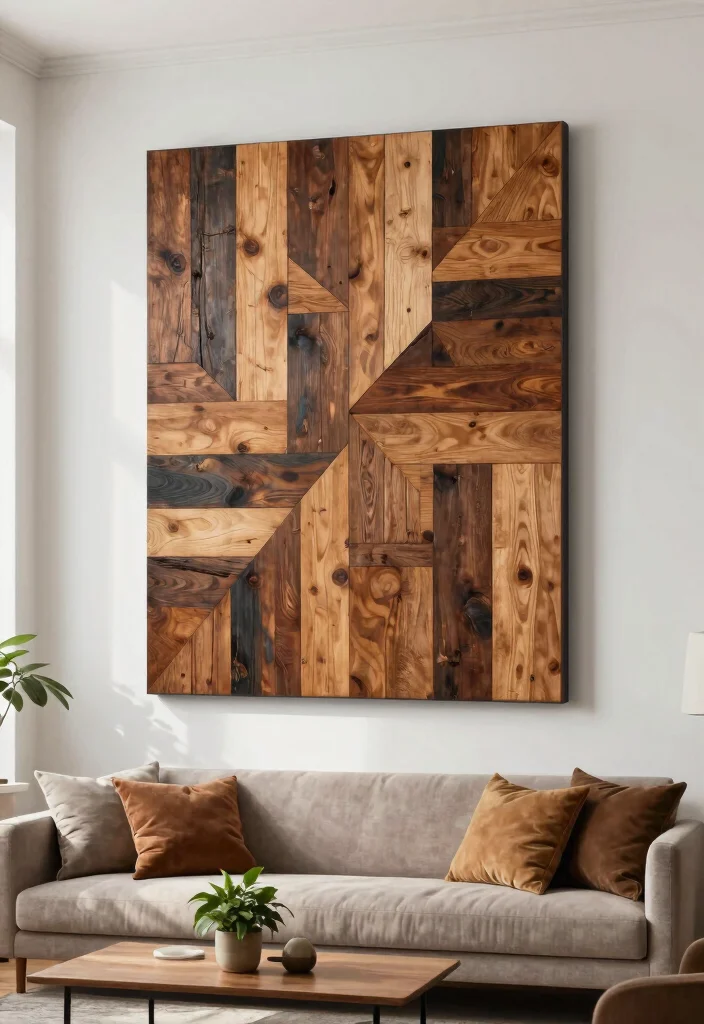
Reclaimed wood art can add a sense of rustic elegance to your walls. Its unique textures and history create visual interest and warmth, making it perfect for any space. Imagine a stunning piece crafted from a variety of wood types arranged in a captivating geometric design, showcasing beautiful grains and colors. This art not only beautifies your home but also embodies sustainability and storytelling through its materials.
To create your reclaimed wood masterpiece, consider sourcing pallets or barn wood for an authentic look. You can find budget-friendly options at local salvage yards or online marketplaces. This art form connects with current trends of eco-friendly design while offering a heartwarming narrative to your decor.
Consider these tips for your reclaimed wood art project:
– Pair various wood types for striking contrasts.
– Install eco-friendly finishes to enhance durability.
– Use a mix of horizontal and vertical patterns for added depth.
– Incorporate shelves or hooks for added functionality.
This approach not only elevates your space but also invites conversation, as each piece tells its own unique story through textures and materials.

【REAL WOOD】– Made of 100% dried fir wood imitating vintage reclaimed barnwood appearance for interior finish. The colors will vary from browns to grays depending on the batch.
2. Nature-Inspired Murals
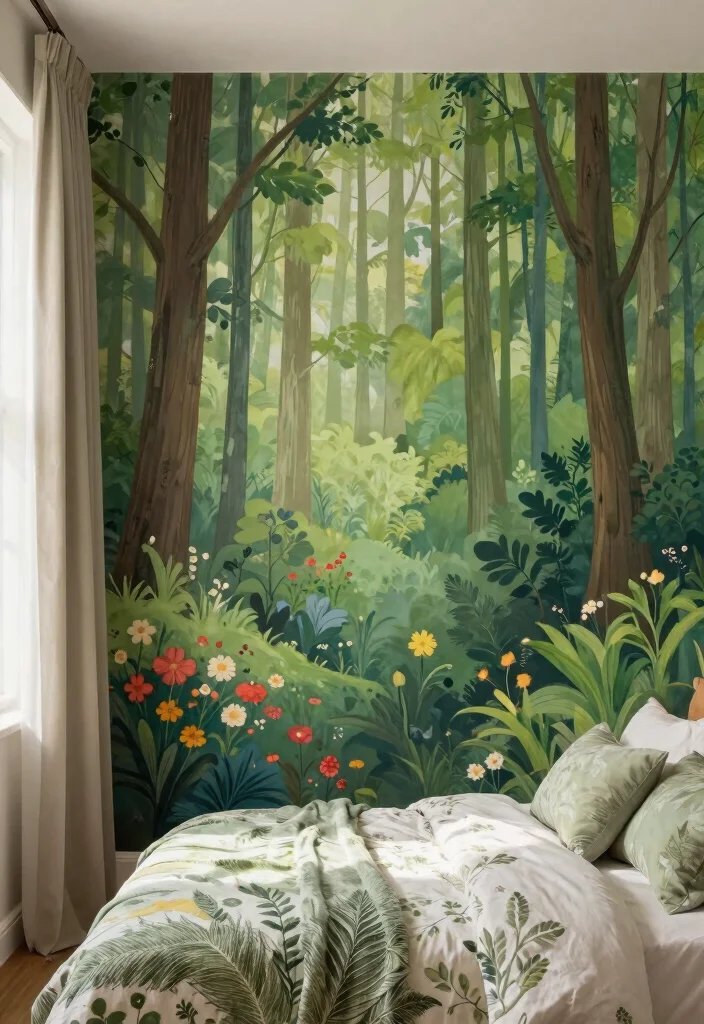
Nature-inspired murals transform your walls into breathtaking landscapes that evoke serenity. Whether depicting tranquil forests or vibrant floral patterns, these murals bring the beauty of the outdoors inside. Using non-toxic paints ensures a safe environment while enhancing the visual appeal of your space.
To implement a nature mural, gather inspiration from your favorite outdoor scenes and select eco-friendly paints. This artistic endeavor not only aligns with current trends in biophilic design but also promotes a calming atmosphere, ideal for relaxation.
Follow these steps to create your mural:
– Choose a nature theme that resonates with you.
– Gather non-toxic paints and brushes for safety.
– Lightly sketch your design on the wall.
– Begin painting from the top to avoid drips.
– Add highlights to enhance the depth and detail.
Nature murals invite tranquility into your home, making them perfect for spaces where you seek peace and inspiration.
3. Upcycled Canvas Art
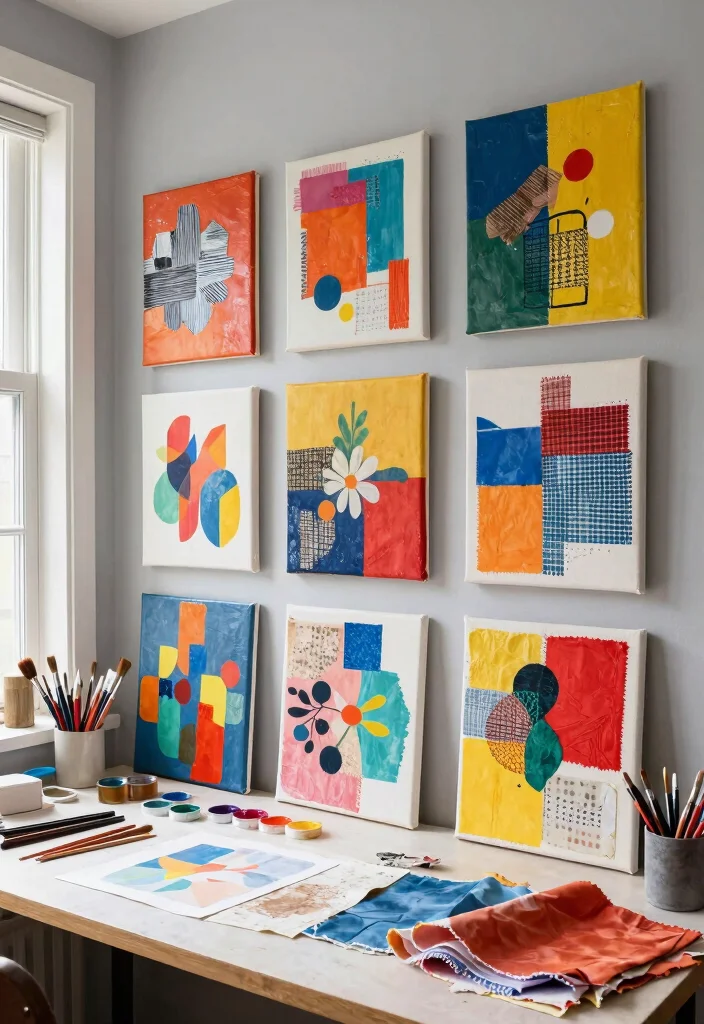
Old canvases can be transformed into vibrant upcycled art pieces that showcase your creativity. By layering paint, fabric, or even old book pages, you create unique designs that add character and charm to your walls. This eco-friendly approach not only promotes sustainability but also allows you to express your personal style.
To make your own upcycled canvas art, gather leftover materials from past projects or thrifted finds. This method connects with the trend of reusing materials, making your decor not just beautiful but also environmentally conscious.
Here’s how to create your art:
– Gather old canvases and remnants like fabric or paper.
– Plan your design, focusing on texture and layers.
– Apply a base coat for a cohesive background.
– Layer materials and paint until satisfied.
– Seal the finished piece for lasting beauty.
This DIY project allows you to customize your wall art to fit any style, making it a fabulous addition to your home.
Upcycled canvas art proves you don’t need to buy new to make a statement. Use leftover paints, fabric, or book pages to craft unique wall art designs paint that reflect your style—and shrink your footprint at the same time.
4. Stencil Wall Art
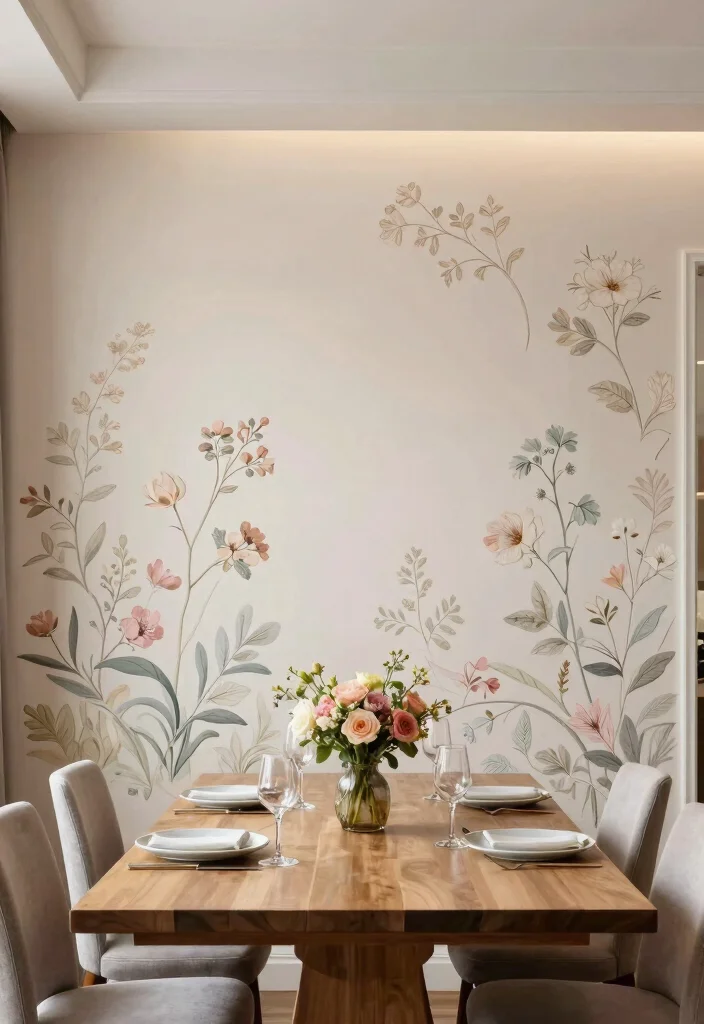
Stenciling is an inviting way to infuse your walls with intricate designs effortlessly. This method allows you to create stunning patterns or focal points using eco-friendly paint, making it accessible for anyone regardless of skill level. Stenciled art can range from playful to sophisticated, fitting seamlessly into any room’s decor.
To create stencil wall art, choose a design that speaks to you and gather your materials. This technique aligns with the growing trend of personalized home decor, providing a joyful outlet for your creativity.
Here are the steps to follow:
– Choose or design your stencil for a unique look.
– Secure the stencil with painter’s tape to hold it in place.
– Apply paint with a sponge or stencil brush for precision.
– Carefully lift the stencil to avoid smudges.
– Touch up edges as needed for a polished finish.
Stenciled designs bring a fun or elegant flair, making them a versatile choice for any area in your home.
Fun fact: DIY stencil wall art can cut design costs by up to 40% and still look luxe. Use eco-friendly paint, reuse stencils, and you’ll transform blank walls into intricate, customizable focal points—without needing pro-level skills or pricey supplies.

Real 3D Design: Diamond pattern with 1 inch raise design makes our wall panels more eye-catching. A box comes in 33 tiles, which covers 32.Sq.Ft.

Easy Peel & Stick Installation--Features a strong self-adhesive backing for quick and mess-free application. Just peel and stick to transform your space instantly.
5. Fabric Wall Hangings
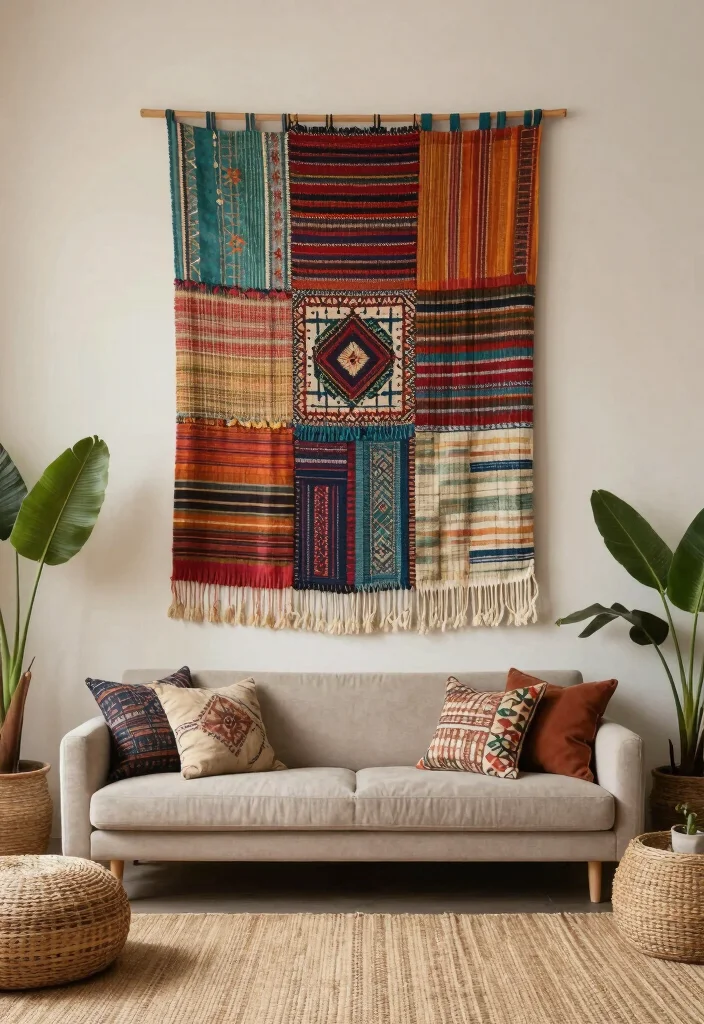
Fabric wall hangings are a beautiful way to incorporate texture and warmth into your space. By using sustainable or recycled textiles, you can add colors and patterns that reflect your style while being eco-conscious. From intricate tapestries to simple fabric panels, the possibilities are endless for expressing your creativity.
To create fabric wall art, select textiles that complement your room’s color palette. This approach aligns with the current trend of incorporating soft materials, enhancing the cozy atmosphere in your home.
Consider these ideas for your fabric wall hangings:
– Choose a color palette that enhances your decor.
– Experiment with textures like woven, felt, or printed fabrics.
– Frame fabric pieces for a modern touch.
– Use dowels to hang for a bohemian aesthetic.
Fabric wall hangings soften the ambiance of any room, making them perfect for bedrooms, nurseries, or cozy spaces.
6. Color Block Walls
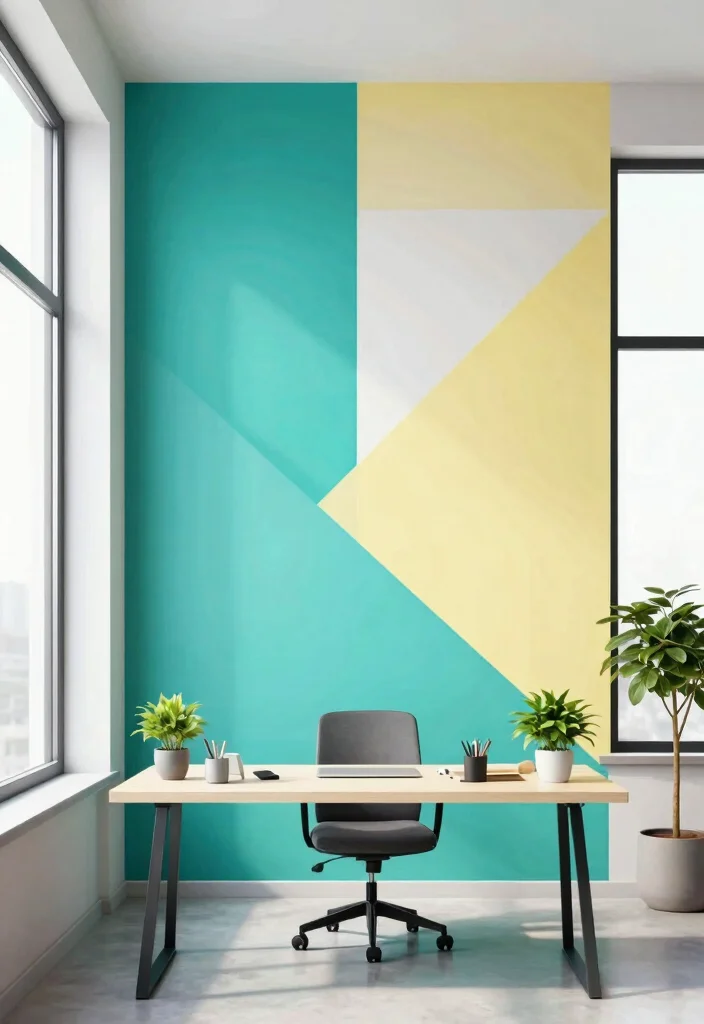
Color blocking is a bold and effective way to decorate your walls, creating a dynamic visual impact. By painting sections in contrasting colors, you can add personality and depth to any room. This technique allows you to experiment with colors that complement or contrast with your overall design scheme.
To execute color blocking effectively, plan your color scheme on paper before starting. This method resonates with contemporary design trends and allows you to express your creativity while enhancing your space.
Here’s how to achieve a stunning color block effect:
– Plan your color scheme on paper before painting.
– Use painter’s tape to outline sections for clean lines.
– Apply a base coat, allowing it to dry before painting.
– Fill each section with your chosen color.
– Remove tape while the paint is wet for sharp edges.
This design technique adds vibrancy and character to your home, especially in modern interiors.

REAL WOOD – Made of 100% dried fir wood imitating vintage reclaimed barnwood appearance for interior finish. The colors will vary from browns to grays depending on the batch.
7. Botanical Prints
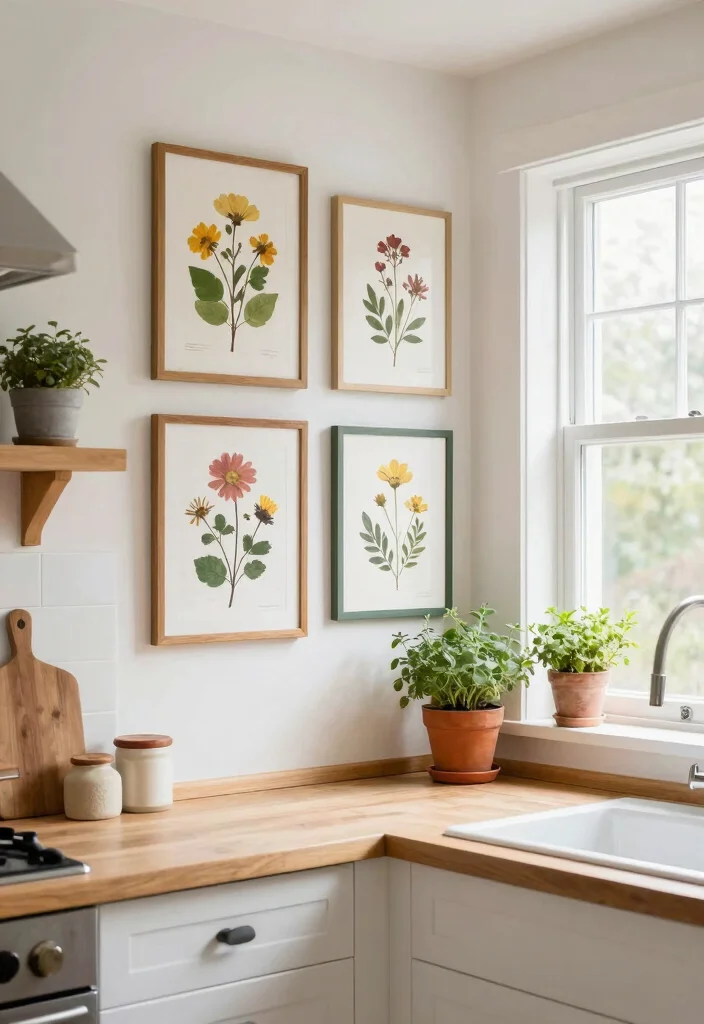
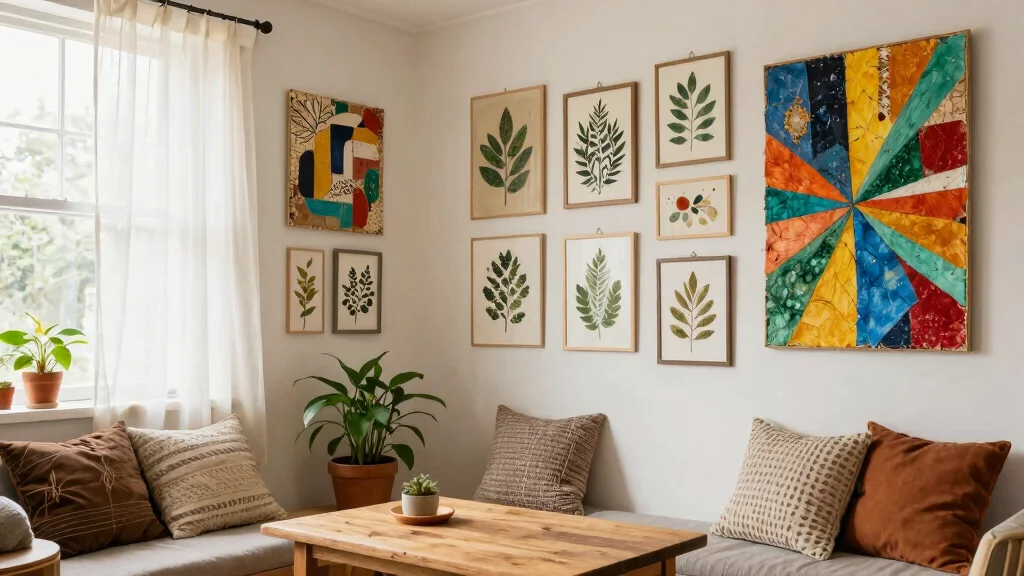
Botanical prints are an elegant and timeless addition to any wall, seamlessly bringing nature indoors. You can create your own prints by pressing flowers or leaves onto fabric or paper, adding a personal touch to your decor. This sustainable method highlights the beauty of nature while promoting an eco-friendly lifestyle.
To make your botanical prints, gather materials from your garden and utilize eco-friendly paint if desired. This trend connects with the appreciation for nature in interior design, creating a calming and refreshing atmosphere.
Follow these steps to create your botanical prints:
– Collect various plants or flowers for diversity.
– Use a hammer to press plants onto your chosen surface.
– Apply eco-friendly paint for added color if desired.
– Frame your prints for a polished finish.
– Arrange them in a gallery-style for visual interest.
These prints add sophistication and can be tailored to fit any aesthetic, perfect for living spaces or kitchens.
How To Choose Wall Art Designs Paint
Choosing the right wall art designs paint can be a rewarding process that completely changes the look of your space. Let’s break down some key factors to help you make the best choice for your home decor.
1. Style
Before you start, think about the overall style of your room. Are you leaning towards modern, rustic, or bohemian? Your wall art should complement your existing decor. For instance, if you have contemporary furniture, abstract or geometric designs would work well. Take a moment to browse online for inspiration to see what resonates with you.
2. Color Palette
Next, consider the color palette of your room. Do you want your wall art to stand out or blend in? Choose colors that either contrast with or match your existing hues. If you have a neutral room, a vibrant piece can serve as a focal point. On the contrary, if your room is already colorful, opt for more subdued tones in your wall art to maintain balance.
3. Size and Scale
The size of your wall art is crucial. A small piece may get lost on a large wall, while an oversized piece can overwhelm a tiny room. Measure your wall space before you shop. As a rule of thumb, your art should occupy about two-thirds to three-quarters of the wall space for a cohesive look. Use painter’s tape to outline the dimensions on the wall to visualize the scale.
4. Material
Decide on the materials you want to work with. Wall art can be made from canvas, wood, metal, or even fabric. Each material offers a different look and feel. For instance, if you love a cozy vibe, consider fabric wall hangings. If you prefer a sleek and modern look, canvas or metal art might be the way to go. Think about how each material interacts with light and texture in your space.
5. Budget
Finally, set a budget for your wall art projects. Prices can vary greatly based on size, material, and artist. Determine what you’re willing to spend and explore options within that range. Don’t forget to consider DIY projects; upcycling old items or creating your own art can be a budget-friendly way to personalize your space while being eco-friendly.
Pro Tip: Keep a mood board with color swatches, textures, and images of wall art that inspire you. This will help you stay focused on what you want and make the selection process smoother. Whether you’re shopping online or at local markets, having a visual reference can guide your choices and ensure everything works together beautifully.

8. Geometric Shapes
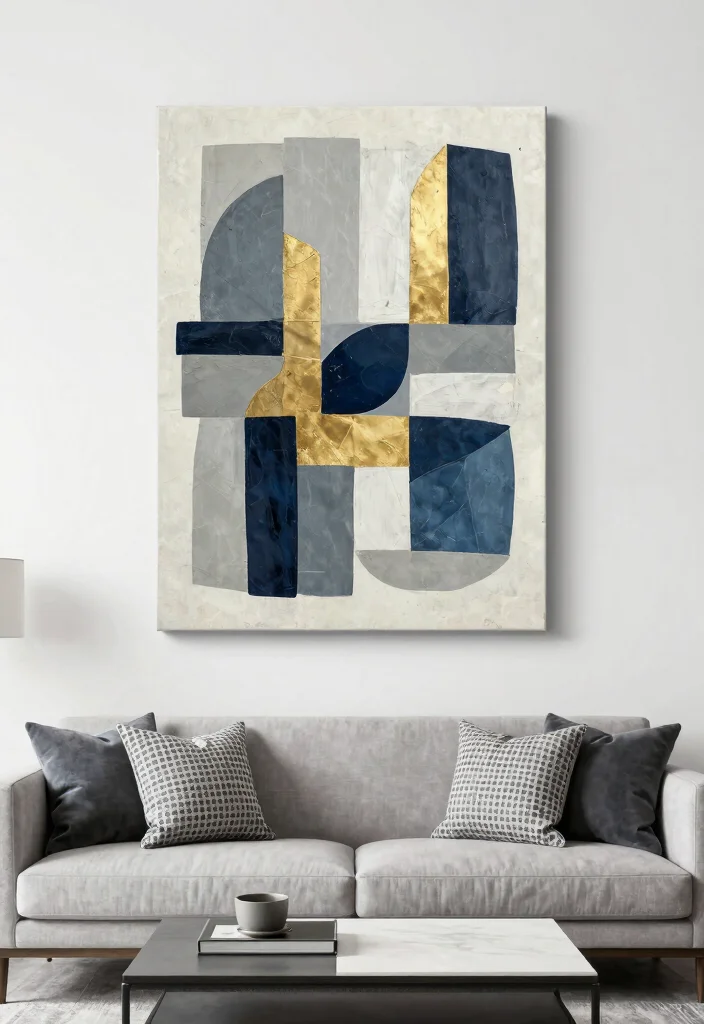
Geometric shapes breathe modernity into your wall art, creating a lively and dynamic atmosphere. Using eco-friendly paint, you can craft triangles, circles, and more intricate designs that elevate your space. This method brings a playful yet sophisticated touch to your decor, aligning with current design trends.
To create geometric wall art, choose a color palette that complements your home decor. This approach not only showcases your creativity but also resonates with the minimalist trend prevalent in contemporary design.
Here are some tips for your geometric designs:
– Select a harmonious color palette that fits your style.
– Use painter’s tape for clean, crisp edges.
– Consider templates for consistent shapes.
– Mix sizes and orientations for a playful look.
Geometric designs add a trendy yet refined flair, making them ideal for modern living spaces or home offices.

Realistic Travertine 3D Wall Panels: Made of durable PVC with faux artificial grain, these peel and stick wall panels bring the natural look of travertine stone into your home. The marble texture and matte finish create a stylish, modern accent for living room, bedroom, or office décor.

Luxurious Aesthetics: transform any plain wall into a stunning focal point with our mirror 3D wall panels; Featuring a sophisticated dark gray and reflective gold palette with 3D fluted design, they catch and play with light, adding unmatched depth and a modern architectural feel to your home office, living room, or bedroom; No renovation needed
9. Inspirational Quotes
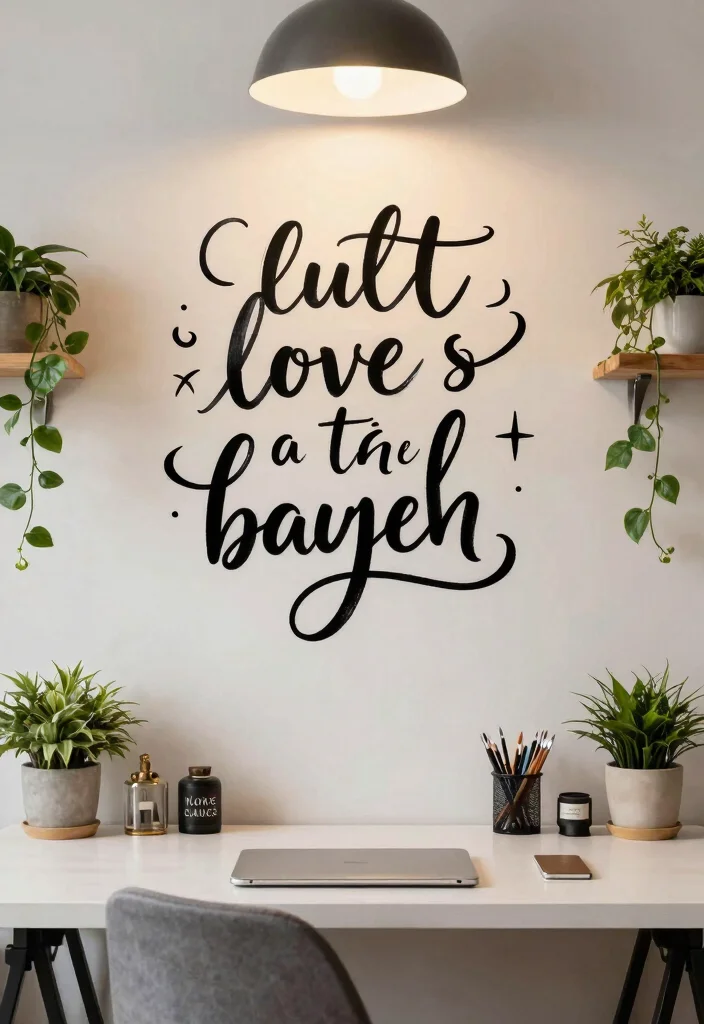
Inspirational quotes can transform your walls into a source of daily motivation. Using eco-friendly paints or markers, you can hand-letter your favorite sayings, creating personalized wall art that inspires and uplifts. This approach not only adds character to your space but also fosters a positive atmosphere.
To create your quote art, choose sayings that resonate with your life and values. This personal touch connects with the growing trend of meaningful decor that reflects individuality and encourages positivity.
Here’s how to create your quote art:
– Select quotes that inspire you and reflect your personality.
– Plan the layout and font style on paper.
– Use painter’s tape to outline the area on the wall.
– Carefully paint or use markers to bring your quotes to life.
– Seal the artwork for longevity if necessary.
Inspirational quotes are perfect for home offices or shared spaces, providing daily reminders of motivation and positivity.

Hollow Line Pattern: Our wood wall decor uses hollow-out geometric designs and advanced printing techniques to create a mountain landscape that combines art and nature. Smooth lines and beautiful textures complement a variety of decorative styles, creating an eye-catching and soothing focal point, enjoy the uniqueness and charm of wood art decor

Package Includes: ⭐16pcs geometric texture stencils for crafts reusable,each geometric texture stencil measures 8.6X4.1 inch. Great for cabinet, dresser, throw pillow, garden signs and door mat decorating. Designed for DIY art enthusiasts, each stencil maintains crisp edges.

3D Textured Wood Wall Art: Featuring layered wood panels and raised geometric shapes, this 3D textured wall art creates rich visual depth and a sculptural appearance. The dimensional wood design adds natural character and striking texture, making each piece a distinctive focal point
10. Wall Decals
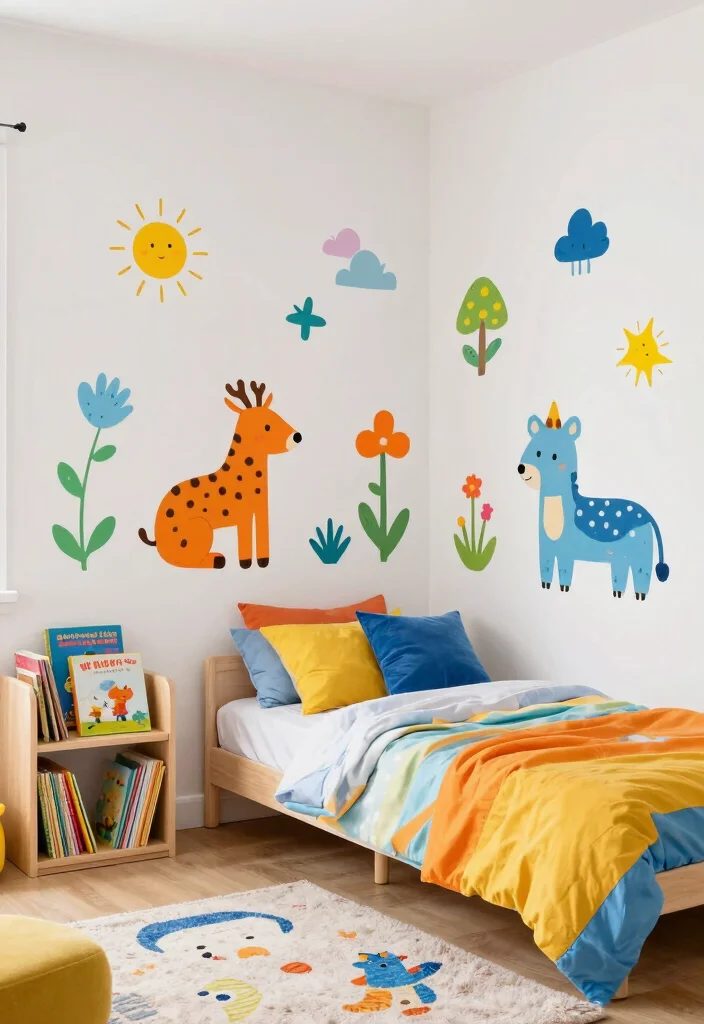
Wall decals offer a fantastic way to make a bold statement while retaining flexibility in your decor. With a variety of designs available, these decals can be repositioned easily, making them perfect for renters or those who like to refresh their space often. Opting for eco-friendly decals supports sustainable living while adding flair to your home.
To use wall decals, select designs that resonate with your style and clean the wall surface before application. This approach aligns with the trend of temporary decor solutions that allow for creativity without commitment.
Here are steps to effectively use wall decals:
– Choose a design that fits your personal style.
– Clean the wall surface to ensure proper adhesion.
– Follow application instructions carefully for best results.
– Smooth out air bubbles during application for a clean finish.
– Rearrange decals whenever you want a new look.
Wall decals are ideal for kids’ rooms or play areas, introducing a fun and playful element to your decor.
11. 3D Wall Art
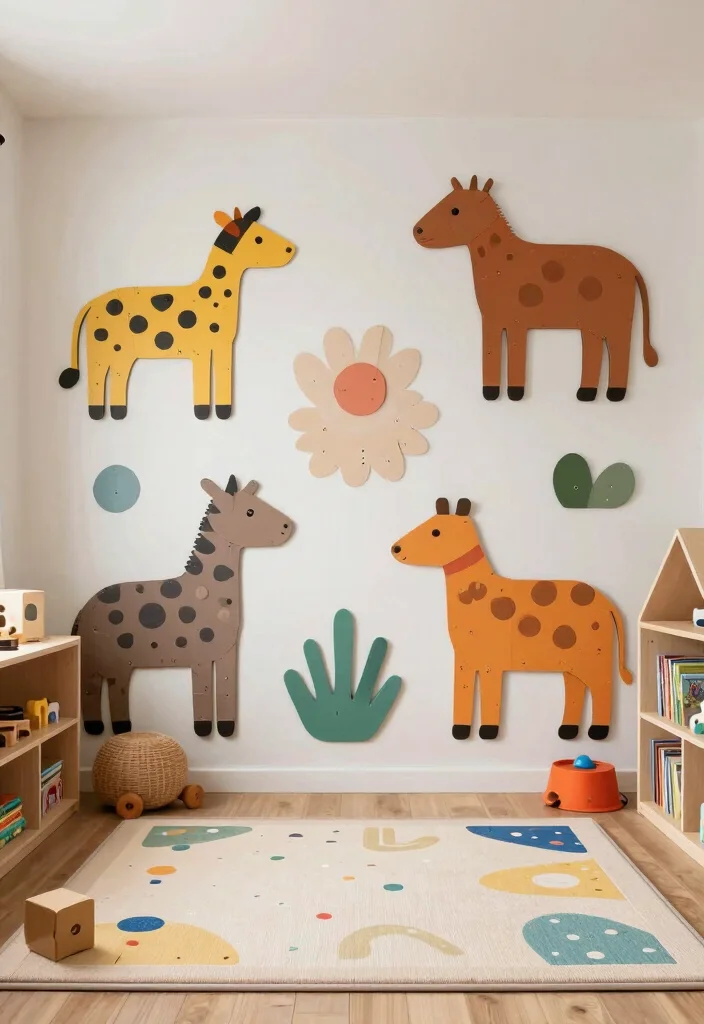
For a unique touch, consider creating 3D wall art that adds depth and dimension to your decor. Using materials like cardboard, wood, or upcycled plastic, you can craft designs that stand out and showcase your creativity. This approach allows for innovative expression while enhancing visual interest in your home.
To create your 3D wall art, sketch your design first and gather appropriate materials. This trend is perfect for those looking to make a bold statement in their space, whether in children’s rooms or creative studios.
Follow these steps to craft your 3D art:
– Start by sketching out your design on paper.
– Gather materials that provide depth, like cardboard or wood.
– Cut shapes and paint them in your chosen colors.
– Attach pieces to the wall using mounting tape or nails.
– Layer different elements to enhance the 3D effect.
This unique art form is ideal for any space where you want to express creativity and make a memorable impact.
12. Textured Wall Panels
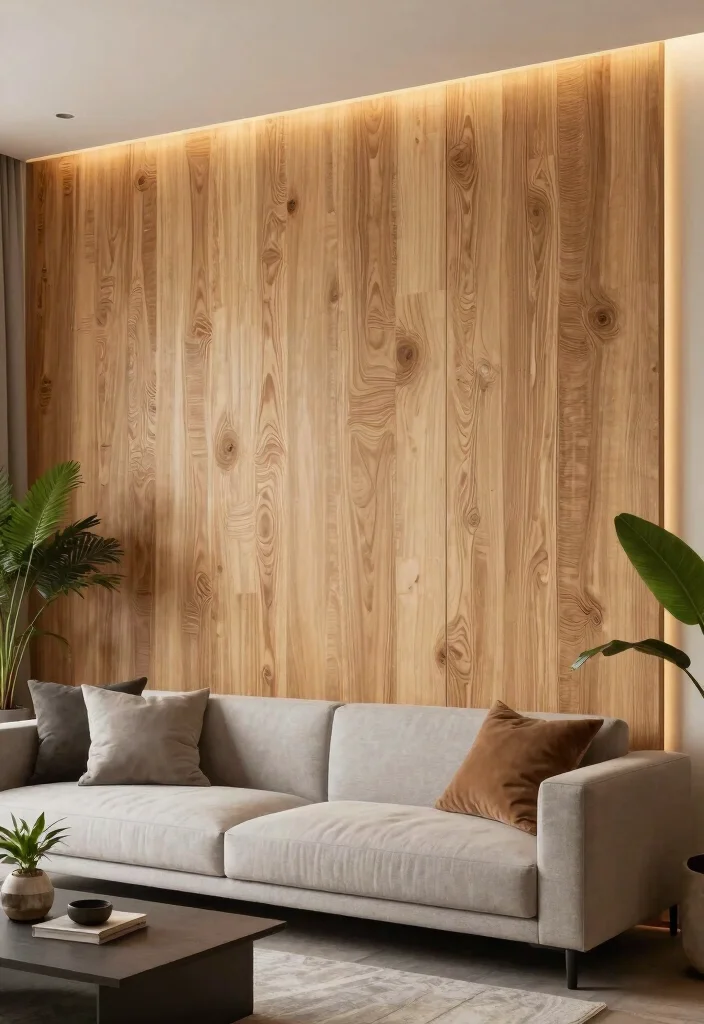
Textured wall panels can significantly enhance the depth and character of your space. Utilizing eco-friendly materials such as cork or lightweight wood, these panels create a focal point that draws the eye. This design approach adds a tactile element to your decor while aligning with sustainable practices.
To install textured wall panels, choose materials that resonate with your style and measure your wall for proper placement. This trend is perfect for adding sophistication to living rooms or offices, creating an inviting atmosphere.
Here’s how to install textured panels:
– Select your material, like cork or wood.
– Measure and plan the layout of the panels.
– Cut panels to size if necessary.
– Secure the panels to the wall using adhesive or nails.
– Paint or stain panels for a finished look.
Textured panels add warmth and sophistication, transforming any room into a cozy haven.
Textured wall panels instantly add depth—and you can choose eco-friendly cork or lightweight wood to keep it green. It’s a simple weekend project: measure, cut, and hang, then enjoy a sophisticated focal point that elevates your wall art designs paint.
13. Doodle Wall
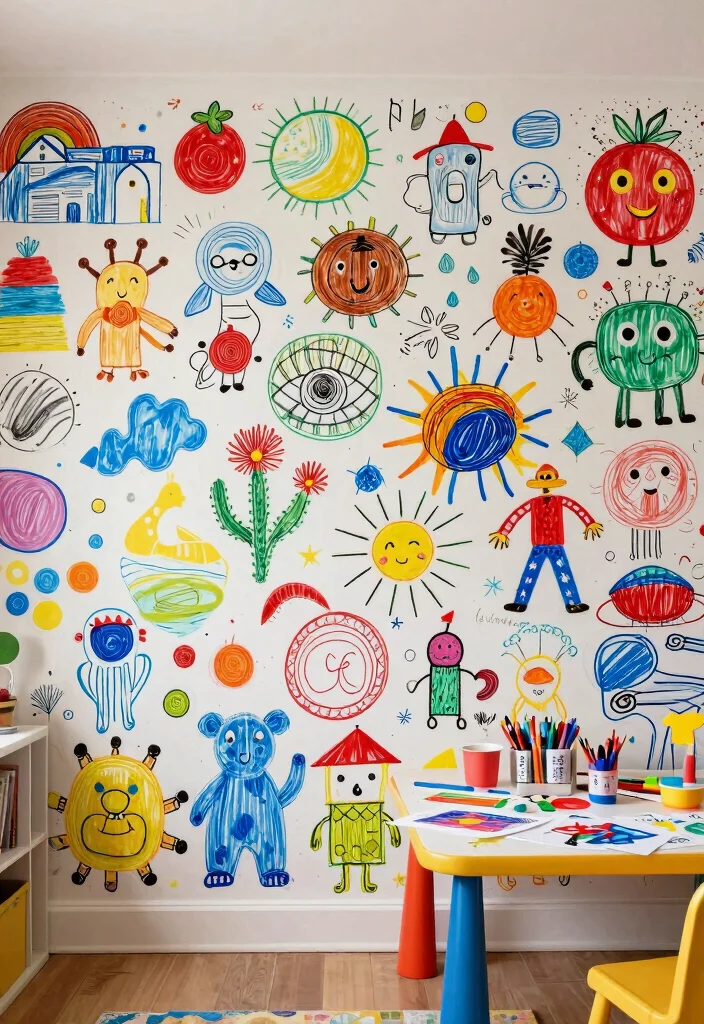
A doodle wall invites you to unleash your creativity in a fun and imaginative way! Using removable, eco-friendly markers or paints, you can turn a blank wall into a canvas for artistic expression. This playful approach is especially engaging in kids’ rooms or play areas where creativity can flourish.
To create a doodle wall, find a space that could use a splash of personality and gather removable markers for easy updates. This trend encourages family involvement, turning creativity into a shared experience.
Here’s how to set up your doodle wall:
– Choose a wall that needs some creativity.
– Use removable markers for easy clean-up.
– Encourage freehand doodling or use templates for guidance.
– Set aside time for family art sessions.
– Make it a rotating project that can change over time.
Doodle walls inspire creativity, making spaces feel playful and inviting for everyone!
14. Mosaic Tiles
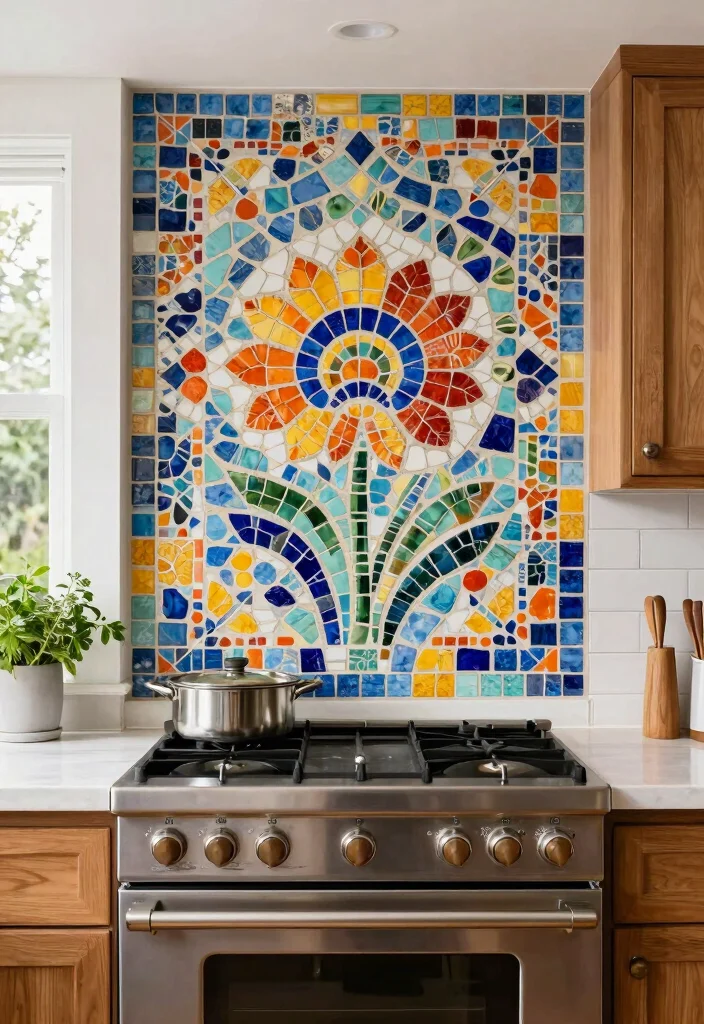
Mosaic tiles can transform walls into vibrant works of art, offering a unique touch to your decor. Using broken tiles or eco-friendly glass, you can design intricate patterns that add color and texture to any room. This method provides a personalized flair, allowing you to express your artistic vision through sustainable materials.
To create mosaic tile art, gather pieces in various colors and sketch a design on your wall. This technique connects with the trend of upcycling and creativity in home decor, making your space truly one-of-a-kind.
Follow these steps to craft your mosaic:
– Collect broken tiles or eco-friendly glass for your project.
– Sketch your design on the wall for guidance.
– Adhere the tiles using eco-friendly adhesive.
– Fill gaps with grout after tiles are set.
– Seal the mosaic for durability and beauty.
Mosaic wall art adds a stunning focal point, perfect for kitchens, bathrooms, or outdoor spaces, infusing them with personality and color.
15. Chalkboard Paint Art
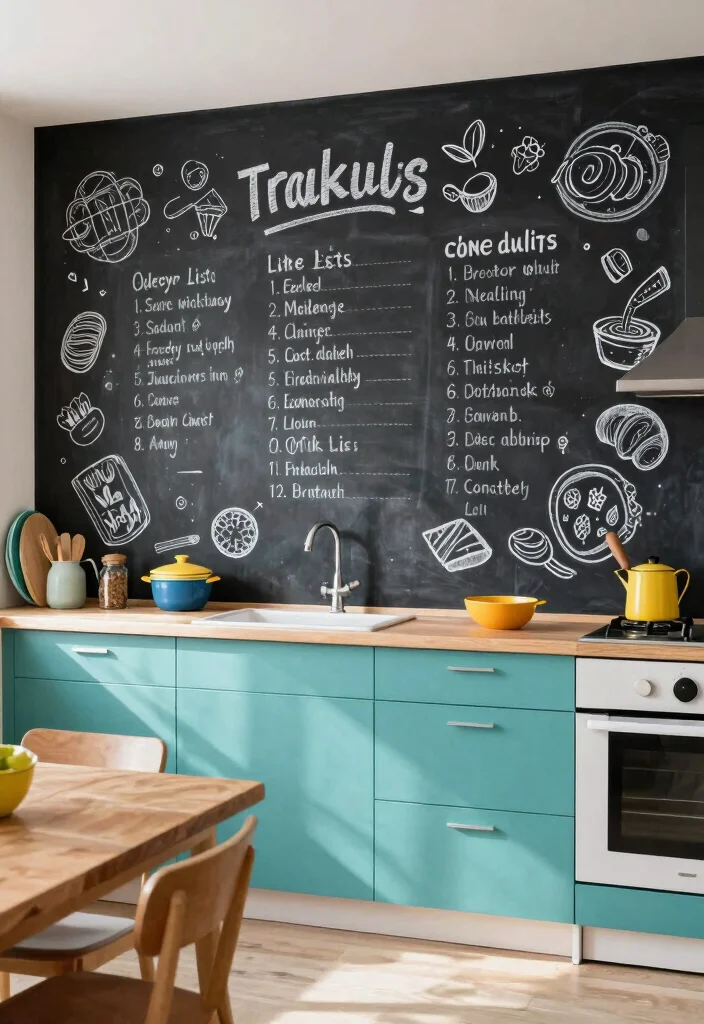
Chalkboard paint is a versatile medium for creating dynamic wall art that can evolve over time. This fun and practical option allows you to write quotes, draw doodles, or leave messages that can change with your mood or seasons. It’s perfect for those who enjoy creativity without permanence.
To create a chalkboard wall, select a section that could benefit from interactive decor. This approach embraces the trend of adaptable design, allowing you to refresh your space easily.
Here’s how to create your chalkboard paint wall:
– Choose a wall or area to paint with chalkboard paint.
– Apply the paint in even strokes for a smooth finish.
– Allow it to dry thoroughly before use.
– Use chalk to create designs and updates.
– Clean regularly to refresh your canvas.
Chalkboard walls are ideal for kitchens or playrooms, offering endless opportunities for creativity and expression.
16. Neon and LED Art
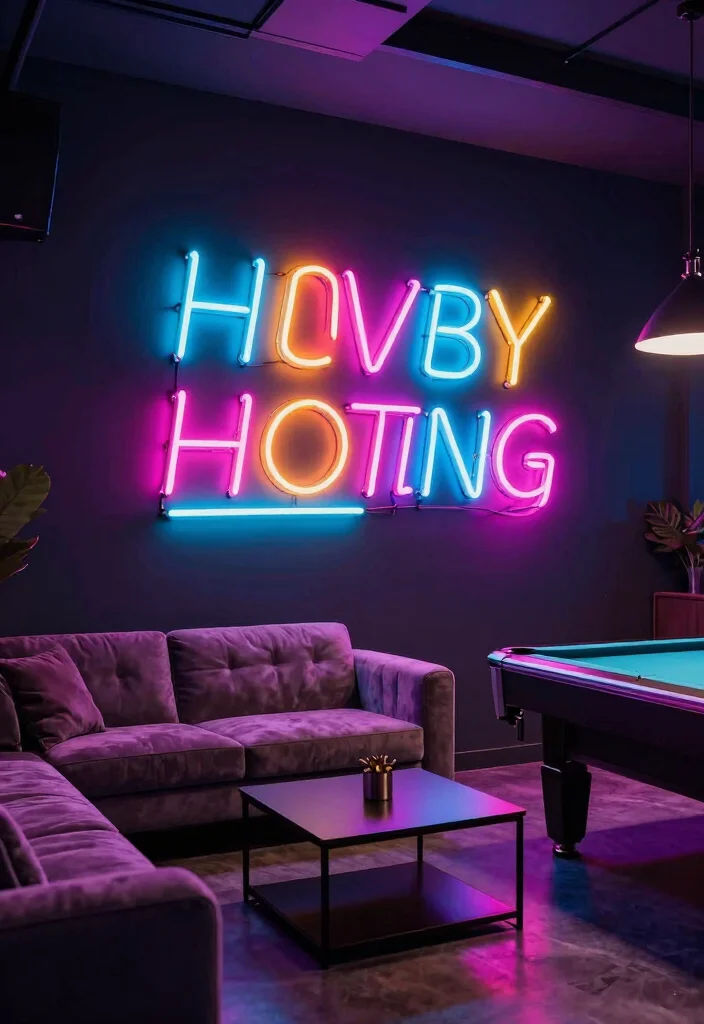
Incorporating neon or LED lights into your wall art can create a modern and lively focal point. These eye-catching elements enhance the mood of your space, especially in social areas where energy and vibrancy are desired. This trend adds a touch of contemporary flair while making a bold statement.
To create neon wall art, choose a phrase or shape that resonates with your style. This approach embraces the current trend of bright, dynamic decor that brings life to any room.
Here’s how to create your neon effect:
– Select a phrase or design for your neon lights.
– Use LED strip lights or neon-effect paint for your project.
– Plan the layout and securely attach the lights to the wall.
– Ensure safe installation for the best results.
– Add dimmers for adjustable ambiance.
Neon wall art energizes living areas or game rooms, making them feel exciting and inviting.
17. Seasonal Art Displays
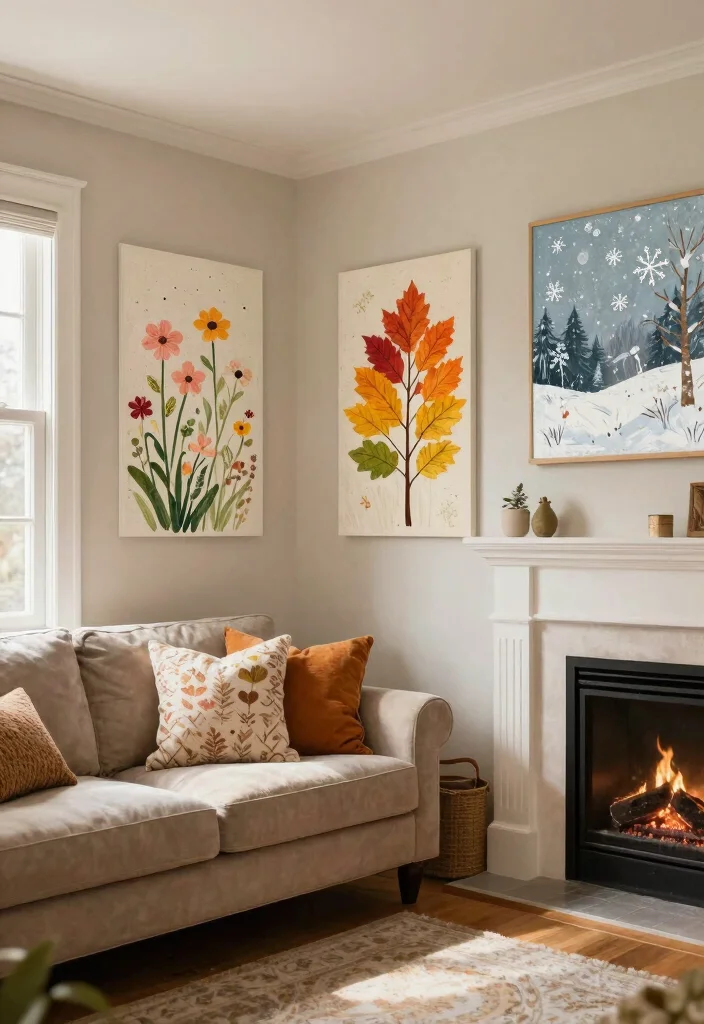
Seasonal art displays allow you to celebrate the changing times with decor that refreshes your space. Creating art that reflects each season keeps your decor engaging and lively while promoting eco-friendly practices. Use recyclable materials to craft pieces that honor holidays or seasonal changes.
To create seasonal art, plan themes that resonate with each time of year. This approach connects with the trend of dynamic decor that evolves, making your home feel fresh and inviting.
Here are steps to make your seasonal art:
– Plan a theme for each season, like spring flowers or autumn leaves.
– Gather recyclable materials for your projects.
– Create wall hangings, sculptures, or garlands.
– Change displays as seasons shift for a fresh look.
– Store seasonal items safely for reuse each year.
Seasonal art displays bring warmth and coziness to your home throughout the year, keeping your space engaging and vibrant.
Conclusion
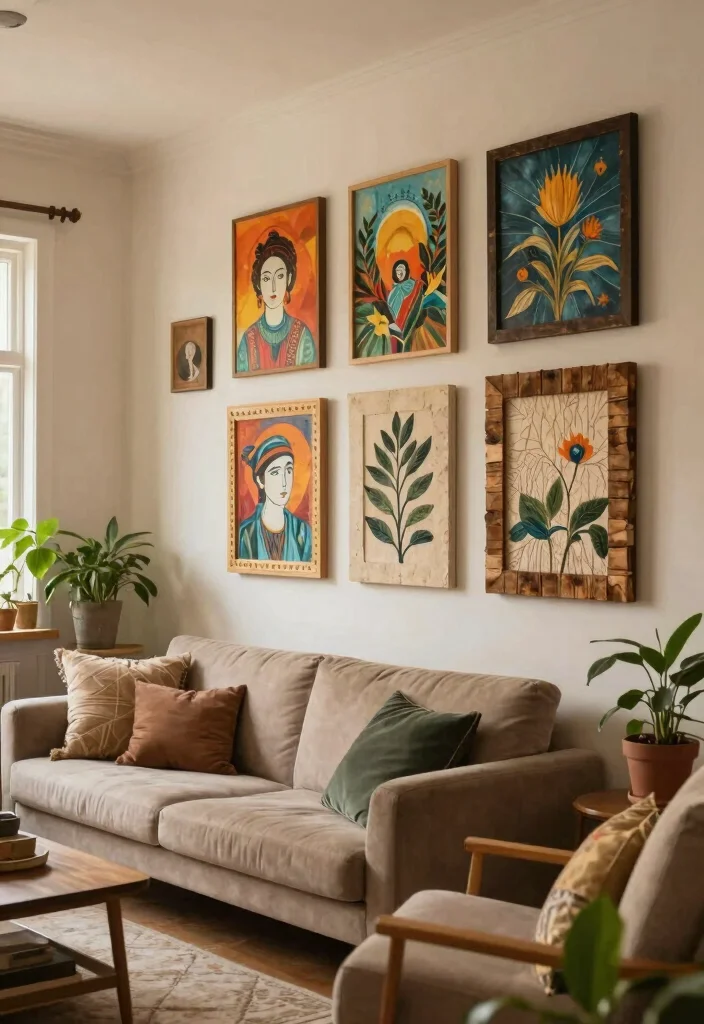
Transforming blank walls into beautiful works of art is a fulfilling and eco-friendly endeavor. Each of these wall art designs paint ideas allows you to express your creativity while making sustainable choices for your home. Whether you choose to create bold murals or delicate fabric hangings, each project adds warmth and personality to your space. So grab your supplies, unleash your artistry, and watch your blank wall come to life with your unique style!
Note: We aim to provide accurate product links, but some may occasionally expire or become unavailable. If this happens, please search directly on Amazon for the product or a suitable alternative.
This post contains Amazon affiliate links, meaning we may earn a small commission if you purchase through our links, at no extra cost to you.
Frequently Asked Questions
Question: What Are the Best Eco-Friendly Paints and Techniques for Wall Art Designs Paint?
For wall art designs paint, start with eco-friendly paints like low-VOC acrylics or water-based options, plus a non-toxic sealer to protect the art finished piece.
Choose textures and techniques such as dry brushing, color blocking, or stenciling to build depth without harsh chemicals.
Prep the surface with a stain-blocking primer if needed, test your palette on a swatch, and apply thin, even coats. Finish with a water-based sealant to keep colors vibrant and safe for living spaces.
Question: How Can I Transform Blank Walls with DIY Wall Art Ideas on a Budget Without Sacrificing Style?
Transform blank walls on a budget with DIY wall art ideas by planning first and using what you already have.
Create a gallery wall with affordable frames, repurpose fabric scraps or posters, and use painter’s tape to craft geometric patterns. For eco-friendly results, reuse leftover paint to create layered wall art designs paint effects and choose recycled boards or cardboard for mounting.
Tools to keep handy: ruler, level, brushes, sponges, and stencils. Finish with a non-toxic sealer after the pieces are dry.
Question: Which Modern Wall Paintings Ideas Work Best for Small Spaces Using Interior Wall Color Ideas?
Small-space magic with modern wall paintings ideas starts with thoughtful interior wall color ideas. Keep walls light (white, soft gray, or beige) and use a bold accent for impact. Add wall decor ideas like geometric shapes or botanical motifs via stencils or tape for a cohesive look. For DIY wall art, choose low-VOC paints and a matte finish to minimize glare and keep the space feeling open.
Question: What Steps Help My Wall Decor Ideas Stay Vibrant and Last Longer When Painting?
To keep your wall decor ideas looking fresh and durable, start with proper prep: clean the wall, fill any holes, and apply a primer. Use high-pigment, eco-friendly paints and apply thin coats, allowing each to dry fully. Protect pieces from sunlight with curtains or UV-resistant sealants, and finish with a water-based sealant to guard against wear. Clean gently and re-coat every few years to maintain vibrancy.
Question: How Can I Mix Textures and Patterns in Wall Art Designs Paint While Keeping It Eco-Friendly?
Mixing textures and patterns in wall art designs paint while staying eco-friendly is totally doable. Start with a cohesive color palette from your interior wall color ideas, then layer shapes with painter’s tape for clean geometric edges and a sponge or rag for organic texture. Add a botanical touch with stencils or freehand leaves. Use upcycled canvases or reclaimed wood frames for DIY wall art projects, and finish with a protective water-based sealant to preserve color and texture.
Related Topics
home decor
wall art designs paint
DIY wall art
eco-friendly decor
modern wall paintings
creative wall design
interior wall color
beginner friendly
budget decor
upcycled art
easy techniques
seasonal themes