7 setups run the full range: a rolling cart small enough to follow you to the next lease, up to a California room where sliding glass doors park themselves wide open and the patio becomes another dining room.
The deciding factor is how much structure you already have: a narrow roofline extension points you toward a covered patio setup, while yards with no overhead cover call for a pergola and a waterproof snap-on cover you trust.
The stone fireplace version ties directly into a retaining wall or terrace you may already be planning, which lets you bundle delivery and labor into one job instead of paying twice.
[link-whisper-related-posts]1. Covered Patio Outdoor Kitchen
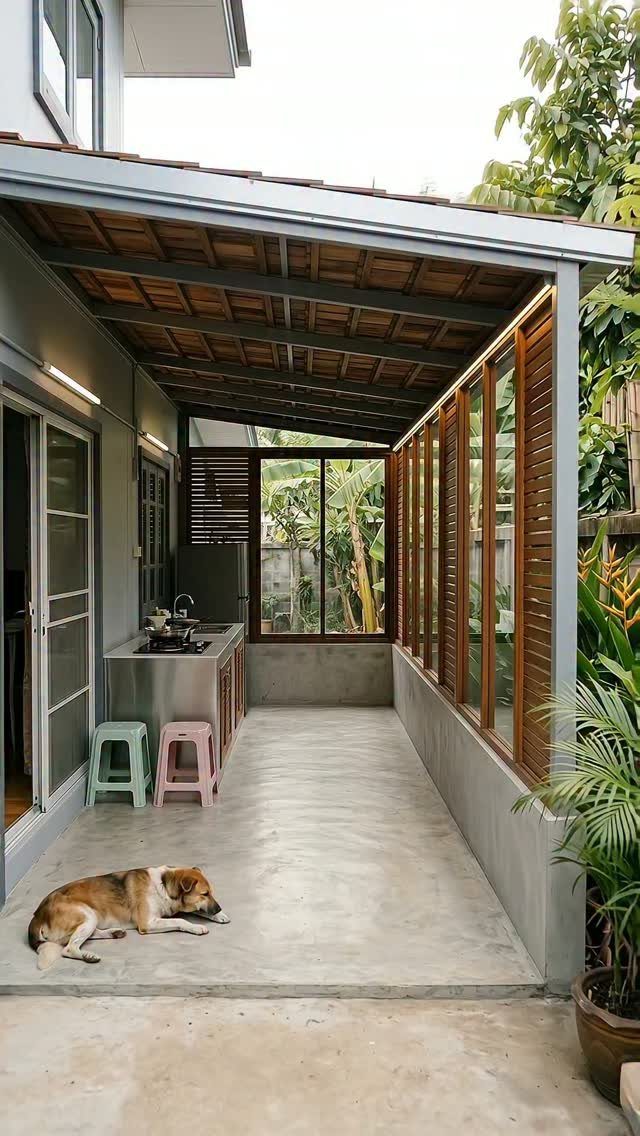
A covered patio keeps the rain off your shoulders while you flip burgers, and that alone extends your grilling season by months. Concrete floors handle spills and pressure-washing, and slatted walls let smoke escape without letting weather in.
A straight counter run keeps the cooktop and sink in line, which leaves the far end open for plating and passing plates through a door nearby.
If your house has a narrow strip of roofline already extending past the back wall, this is the setup that asks the least of your structure and your budget.

【Extra Large Size】This grill mat's size is 76 x 52 inches, serving as a robust shield against stray embers or flames. It effectively collects spills, splashes, and other debris, safeguarding your floors from oil, sauce, charcoal, and heat. This minimizes the cleaning effort, enabling you to fully relish your outdoor experience. Unlike other sizes of grill mats, it can accommodate any size of large grill, perfect for large gatherings
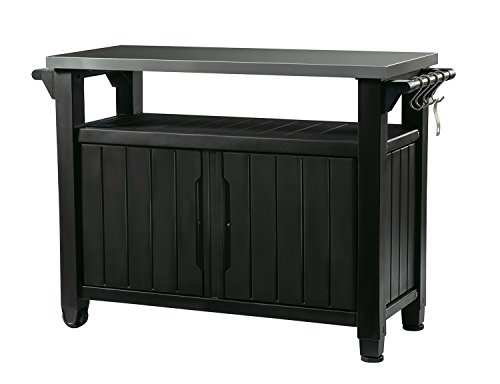
DIMENSIONS: Exterior: 52. 7 in. W x 20. 5 in. D x 35. 5 in. H / Interior: 40. 9 in. W x 16. 3 in. D x 18. 5 in. H

[ Special Design ] MR. COVER prep table cover is specially designed for the Keter Unity XL portable outdoor cart with a size of 54"D x 23"W x 35"H fit this kind of table perfectly.
2. Pergola Outdoor Kitchen
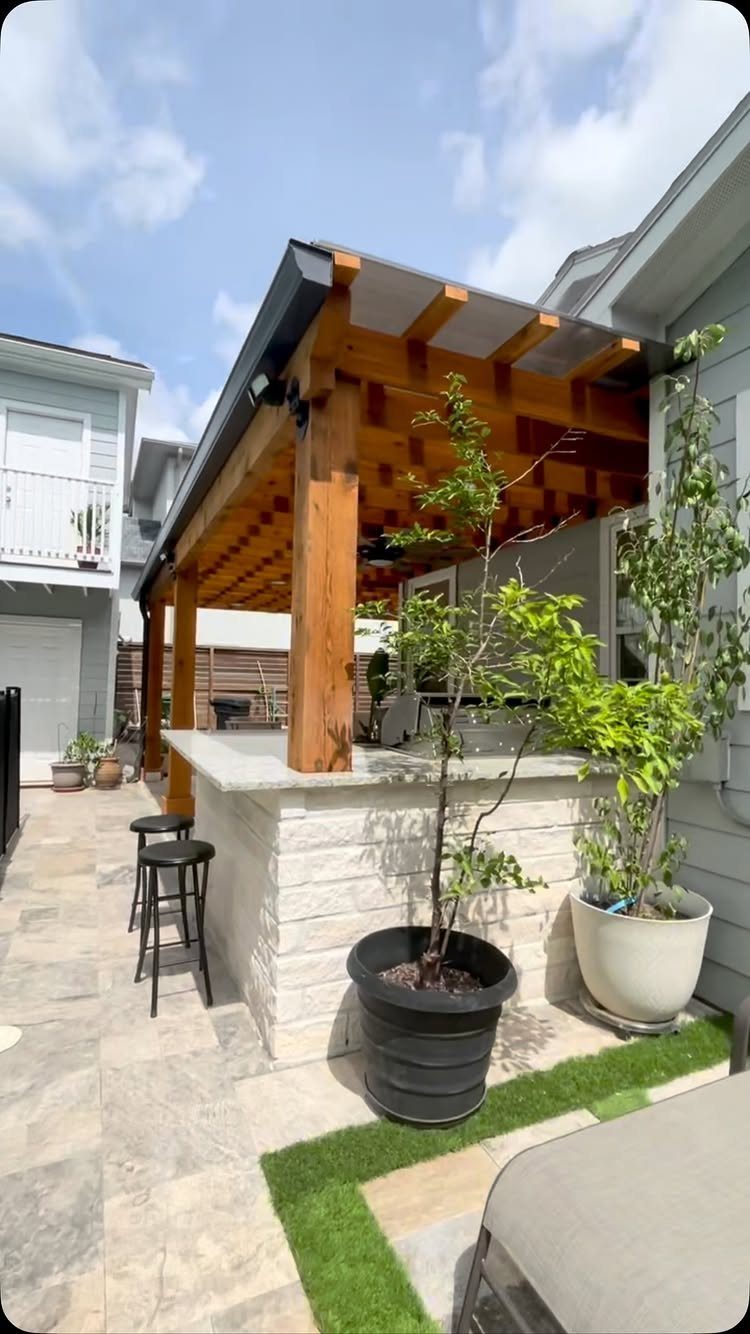
Sunlight through a pergola roof lands in shifting stripes across the counter, which is the whole point of cooking under slats instead of a solid ceiling.
A stone island stays put, weathers rain, and gives you bar seating on the far side so guests can watch without crowding the flame.
Waterproof covers are sold to fit standard pergola footprints, and snapping one on turns this into a three-season kitchen when the weather turns. Without a cover, plan on a grill with a lid you trust and a countertop that drains.

Selected Acacia Wood: Crafted from premium acacia wood, this outdoor bar table offers remarkable strength and longevity. The rich wood grain enhances its aesthetic appeal. Note: Please regularly apply oil (not included) to the surface for maintenance.

Extension of personal style: Outdoor kitchens offer an opportunity to extend personal style and design preferences to the outdoor living space, creating a central gathering point during social events and gatherings.

【Spacious Storage】Featuring a countertop and 2-tier open shelves, this patio organizer offers ample storage space for dinnerware, wine bottles, drinks, and food, making outdoor entertaining and kitchen organization effortless and convenient.
3. Outdoor Kitchen Pizza Oven
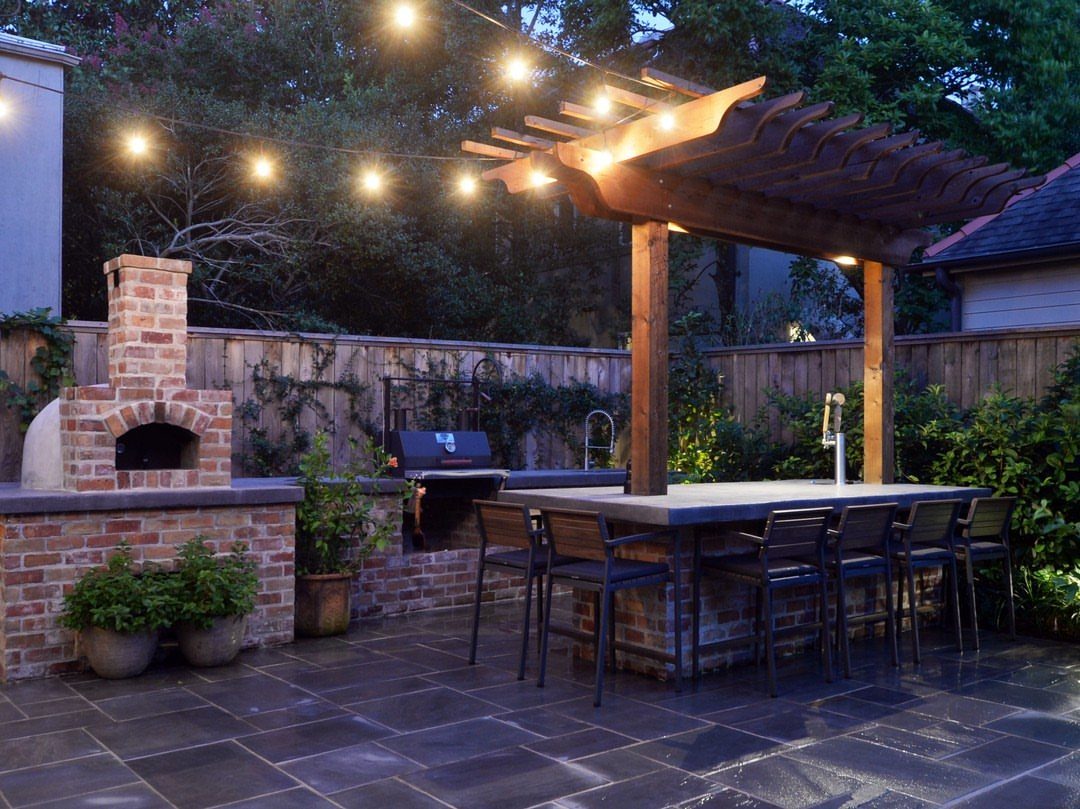
A pizza oven changes what you cook and how people gather around it, since everyone ends up watching dough blister and guessing when to pull it out.
A brick surround holds heat for hours, which means you can roast a chicken after the pies are done if you plan the fire right.
String lights overhead cost little and matter more than most decor; they let you start dinner at dusk without anyone squinting at their plate.
If your budget only fits one built-in, the oven beats a side burner for the number of nights it becomes the reason people stay outside.

20 LEDs on a Discreet Silver Wire,Warm White, so lovely.

【Great Decoration】Copper string lights with adorable pattern, add more fun glow in your home. Just wrap it around the plant, toy or somewhere you like, it can help you create a childlike and pure atmosphere.

Set Of 10 Pizza Slice Patio Lights
4. Stone and Stainless Steel Outdoor Kitchen
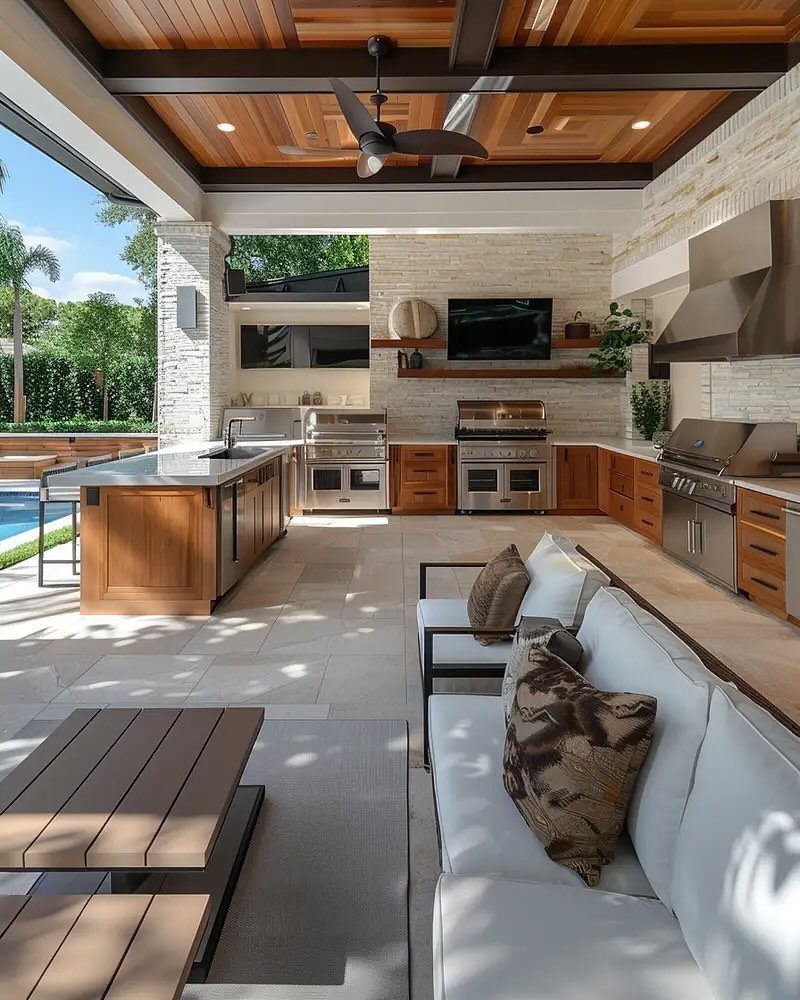
Stone walls and stainless steel appliances fight the same battle against humidity and temperature swings, but they win it differently: the stone absorbs heat and stays warm after sunset, while the steel wipes clean and shrugs off grease.
A full appliance run under a solid cover works best with a vent hood that actually draws smoke instead of just looking like it should. Lounge seating beside the grill, not across the yard, keeps the cook in the conversation.
If you are already pouring a patio and running gas lines, the marginal cost of upgrading to stone veneer over a framed wall pays back in years before you face repairs.

【DESIGNED FOR YOUR KITCHEN】This large meat cutting boards for kitchen is made of stainless steel (for meat)and wheat straw pp(for veggies and fruits), making it sturdy and durable for use in your kitchen.

Portable and Compact: This griddle is ideal for camping, tailgating, outdoor barbecues, and more. The compact design of this flat top grill makes it easy to transport, and its heavy-duty construction is ideal for all your outdoor adventures.
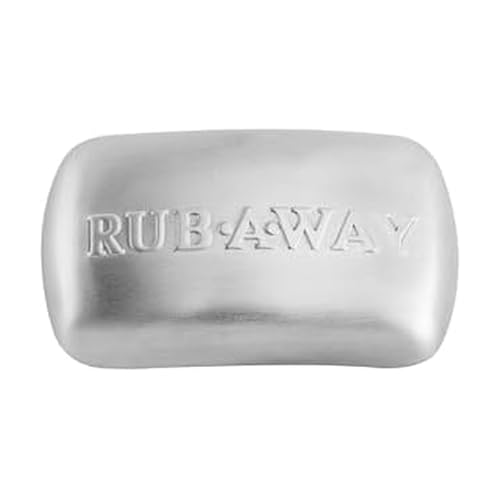
Kitchen Essential: Tackle stubborn odors left on hands after handling pungent ingredients like garlic and onions. Eliminate lingering odors from your hands, ensuring a fresh and pleasant scent long after meal preparation.
5. California Room
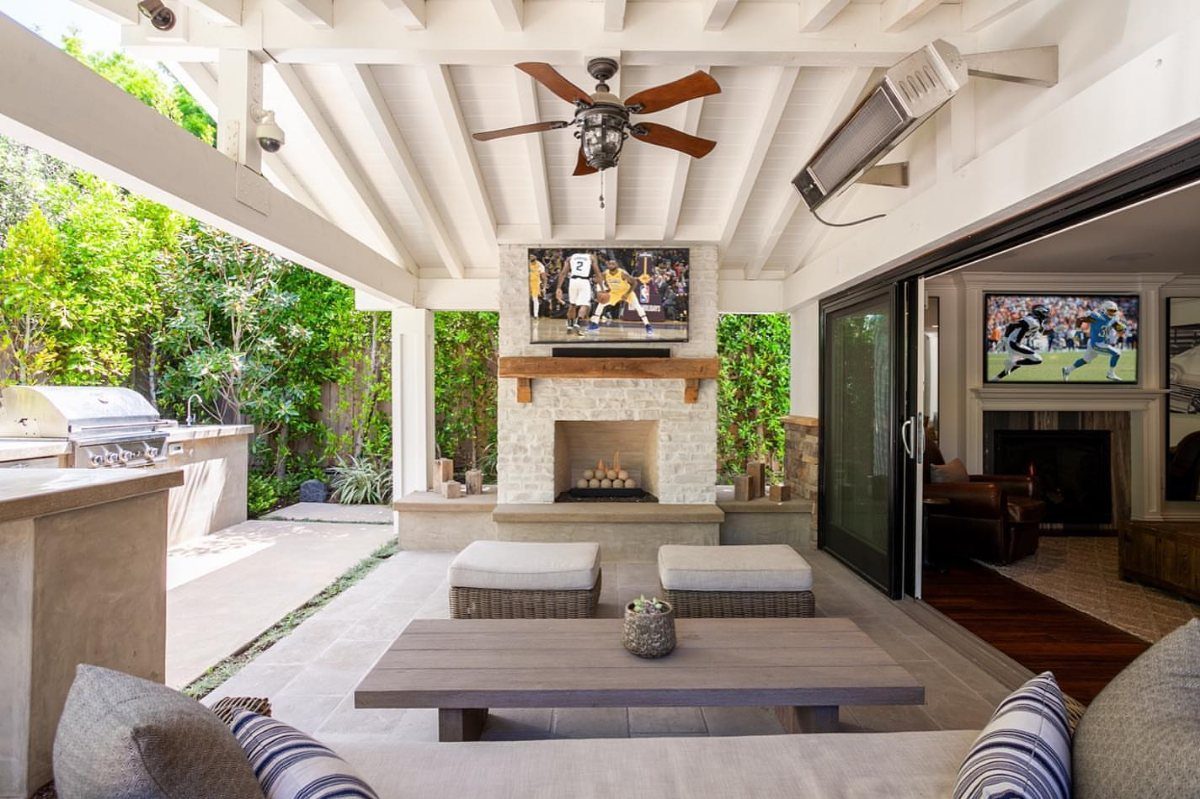
Sliding glass doors that open wide enough to erase the wall between your living room and the patio are what make a California room work; the fireplace and TV sit under the same roof as your sofa, just on the other side of the threshold.
Enclosed side walls block enough wind to keep napkins on the table and enough rain that you do not have to haul cushions inside every time a cloud passes.
This suits the cook who forgets the tongs or the sauce halfway through, since the kitchen inside is right there, not a trek across the lawn.

304 Stainless Steel Outdoor Sink – Built with a 304 stainless steel sink and countertop for strong corrosion resistance, easy cleaning, and dependable outdoor use. Ideal as an outdoor kitchen sink, stainless steel outdoor sink, or utility sink for everyday prep and cleanup.


High-quality 304 stainless steel: The outdoor grill table with sink is made of 304 stainless steel, supported by a sturdy, heavy metal frame and complemented by a stainless steel countertop, ensuring unparalleled durability and lifespan. The stainless steel tabletop is easy to clean and maintain.
6. Compact Outdoor Kitchen
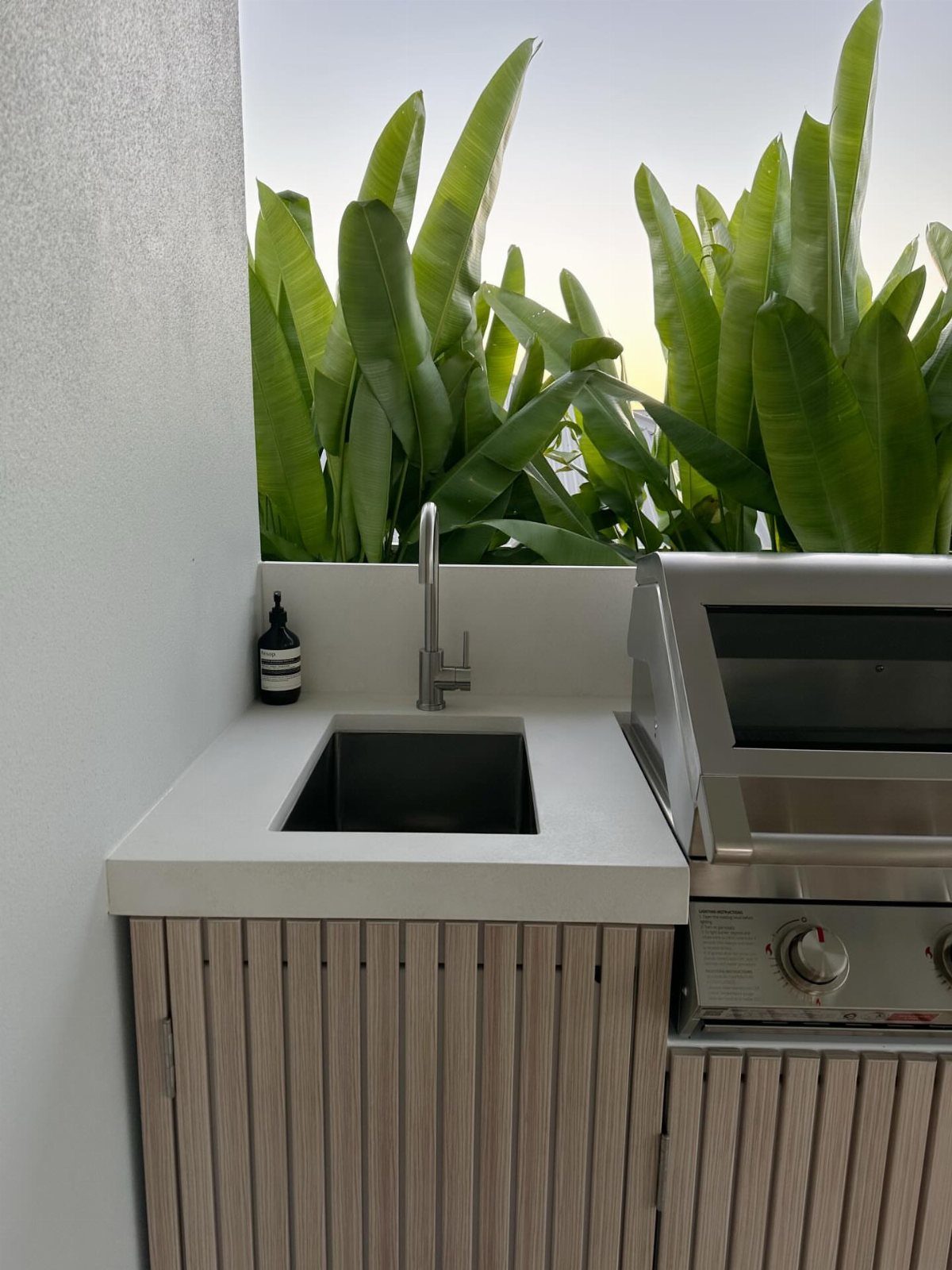
A single counter with a grill, a small sink, and slatted wood doors underneath is all the outdoor kitchen some yards can fit, and the photo proves it does not look like an afterthought.
Light grey stone or composite counters reflect heat instead of absorbing it, which matters when you are working in a narrow space with walls or fences close on both sides.
The undermount sink in this size is for rinsing hands and tools, not washing dishes; run a hose bib nearby if you want to fill pots without carrying them through the house.
For renters or anyone who might move, this footprint is small enough to build as a freestanding unit and take with you.

ULTIMATE PROTECTION FOR YOUR OUTDOOR SPACES - Protect your deck, patio, or lawn from oil, grease, and stains while grilling. Our 48 x 30 inch under grill mat for deck provides coverage for most grills, large or small, keeping your outdoor environment hygienic and free from mess, reducing cleanup time so you can fully enjoy your BBQ.

Durable Steel Structure For Outdoor Cooking - Crafted from powder-coated galvanized steel, this outdoor kitchen gazebo is designed for patio and backyard cooking setups that need lasting structure and weather-ready performance. The covered top helps define your grilling zone, while the sturdy frame supports a clean built-in look for outdoor entertaining. A practical choice for family cookouts, weekend barbecues, and everyday backyard meal prep
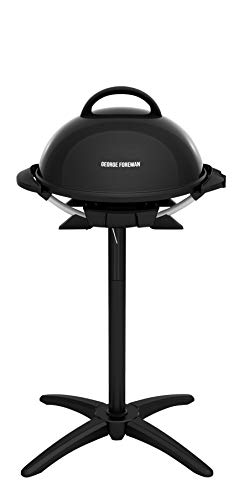
GEORGE TOUGH NONSTICK COATING – There’s a lot to love about this nonstick coating; it’s durable, easy to clean, and removes the need for butter and oil. For best results, use nylon scrubbers and wash after each use.
7. Stone Fireplace
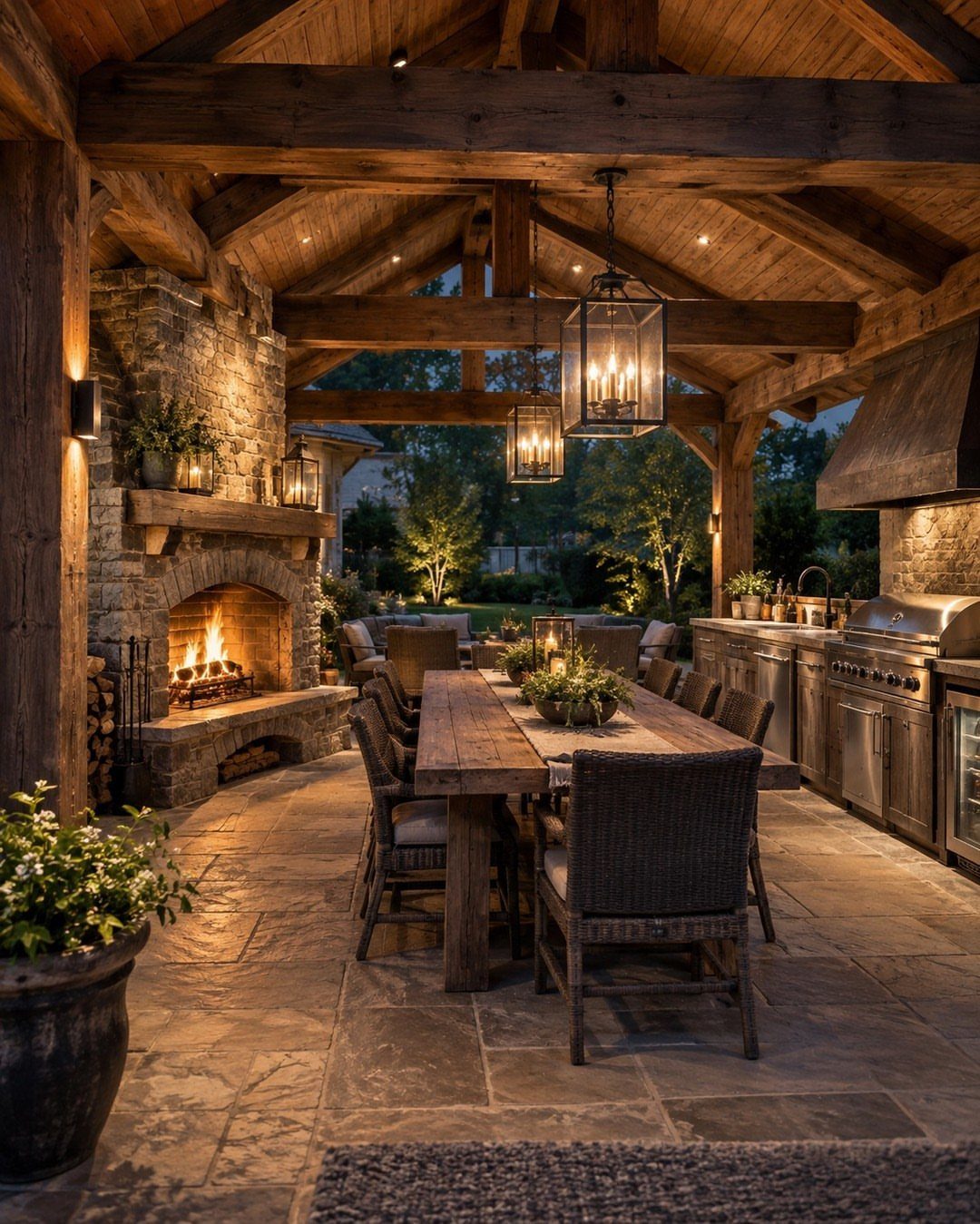
A stone fireplace gives your outdoor kitchen a reason to exist past Labor Day, since guests linger longer when they have a wall of heat at their backs.
Reclaimed granite gives a fireplace weight that new stone tries to fake; a raised hearth with storage below and a footrest above keeps the structure useful even when the fire is out.
If you are already building a retaining wall or terrace, wrapping the fireplace into that same stone work spreads the cost of delivery and labor across 2 projects.
A full-size opening with a built-in grill beside it needs a vent hood that draws properly, or smoke layers under your roofline instead of rising.
String lights or pendant lanterns hung at the same height as the mantel keep the light warm and low, which matters more than the fixture style.
For smaller yards, the fireplace trades cooking width for gathering space; a compact grill and a refrigerator drawer fit beside the firebox, but a full outdoor range wants its own wall.

Easy to Assembly & 24/7 Customer Support: It is very easy to assemble according to the instructions with all tools included. If you encounter any issues, please visit our website christopherknighthomes.com or feel free to reach out to us at [email protected]

Fully Customizable Modular Outdoor Kitchen Island: These outdoor kitchen cabinets feature outstanding flexible modular design matching premium vestivium modular outdoor kitchen systems. Our 5-piece outdoor kitchen island with sink works as a versatile multi-functional outdoor kitchen island with sink; each piece can be used alone or freely combined for your ideal layout. Mix prep stations, sink units and storage cabinets to customize space fitting your patio and cooking demands. Ideal for backyard BBQs and casual outdoor meals, it acts as a practical all-in-one outdoor prep station, durable weatherproof grill cart with sink and functional backyard outdoor sink station.

【All-Weather Outdoor Cart】Our outdoor kitchen island is made of HIPS poly material, which has high weatherproof and UV resistance and will not fade in all kinds of weather, including scorching sun, rain, heavy snow.
Weather Protection
A roof over your outdoor kitchen does more than keep you dry; it protects the appliances that cost the most to replace.
Grease, moisture, and UV exposure break down electronics and gas lines faster than most people expect, and a cover buys years.
Pergolas let smoke escape naturally; add a waterproof cover and you get three seasons instead of one.
Enclosing the sides is possible, but only if you add ventilation at the island level and overhead for every appliance. Without that airflow, heat and combustion gases pool where people stand.

This Kurt Adler 10-Light Pizza Light Set is a fun novelty light set for the décor of various types of parties
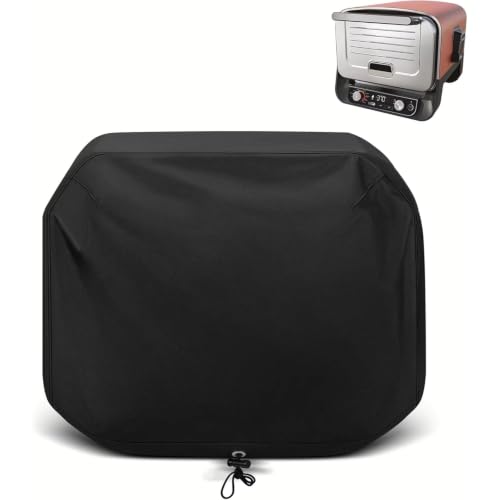
UPGRADED FABRIC CONSTRUCTION Unlike standard covers that tear easily our heavy duty material provides superior thickness and stable performance for outdoor use shielding your appliance from rain and debris better than ordinary alternatives

【Secure Drawstring Design 】This pizza oven cover is for Chicago Brick Oven Portable eliminating the common issue of loose covers blowing away in the wind
Choosing Materials
Stone absorbs heat through the afternoon and releases it after dark, which keeps the space usable longer. Steel stays cool to the touch and wipes clean after a greasy cookout.
The same rules that govern indoor rooms apply here: scale, pattern, and color matter as much as durability.
A massive stone island in a narrow porch swallows the space; a slim counter with the right proportions reads as intentional, not cramped.

Most Trusted Kitchen Brand - The best selling & most trusted cleaning products
Design Considerations
Budget and personal preference drive most cover decisions, not necessity.
Ventilation is the detail that gets skipped.
Every enclosed side wall needs airflow planning, and every cooking appliance needs its own overhead vent. Smoke that does not rise fast enough layers under your roofline and settles on guests.
French doors or sliding glass doors that open wide enough to erase the wall change how the house flows, especially when you forget the sauce or the tongs halfway through. The indoor kitchen stays close enough to save the evening.
No matter what you choose, a well-designed outdoor kitchen should feel like an extension of the interior space, seamlessly integrating functionality, aesthetics, and durability, says Margaret Donaldson, CEO and principal designer at MDI Luxury Design.

Built-In Cold Drink Fridge: This ROVSUN grill cart features a dedicated refrigerated area to keep beverages perfectly chilled while you cook. No more running inside for cold drinks or filling coolers with melting ice. Store beer, soda, or water right at your prep station—ideal for hot summer barbecues, garden parties, or all-day tailgating events
Social Space
The grill belongs in the conversation, not across the yard.
A satellite kitchen set away from the house under a large pavilion reads as its own dining room, not an appendage.
The separation works when you have the square footage; in tighter yards, the California room model keeps everything connected through wide doors.
Design continuity matters more than any single fixture. Dark-stained wood, wrought iron, and weathered finishes that repeat from structure to furniture make the space feel planned, not assembled from leftovers.
Frequently Asked Questions
What are the best materials for outdoor kitchens?
Stone and stainless steel handle humidity and temperature swings better than most choices.
Stone still holds warmth after the sun drops, which matters on a back porch that cools fast once the light is gone; stainless steel is the surface I wipe down after every cookout and it has not rusted in 3 years.
Both fight the same weather battle but win it differently, so I would use stone where people gather and steel where the cooking happens.
How can I protect my outdoor kitchen from the weather?
A solid roof over the grill and fridge is the first thing I would add if I rebuilt mine, because replacing a built-in gas range costs more than the lumber and shingles to shelter it.
A pergola with a waterproof cover stretches the season to three, though you will still want a grill with a lid you trust.
Can you enclose an outdoor kitchen?
Yes, but only if you add ventilation at the island level and overhead for every appliance.
Heat and exhaust gas both rise, so vents up high matter more than floor-level ones, though you still need low vents for unburned propane since that sinks.