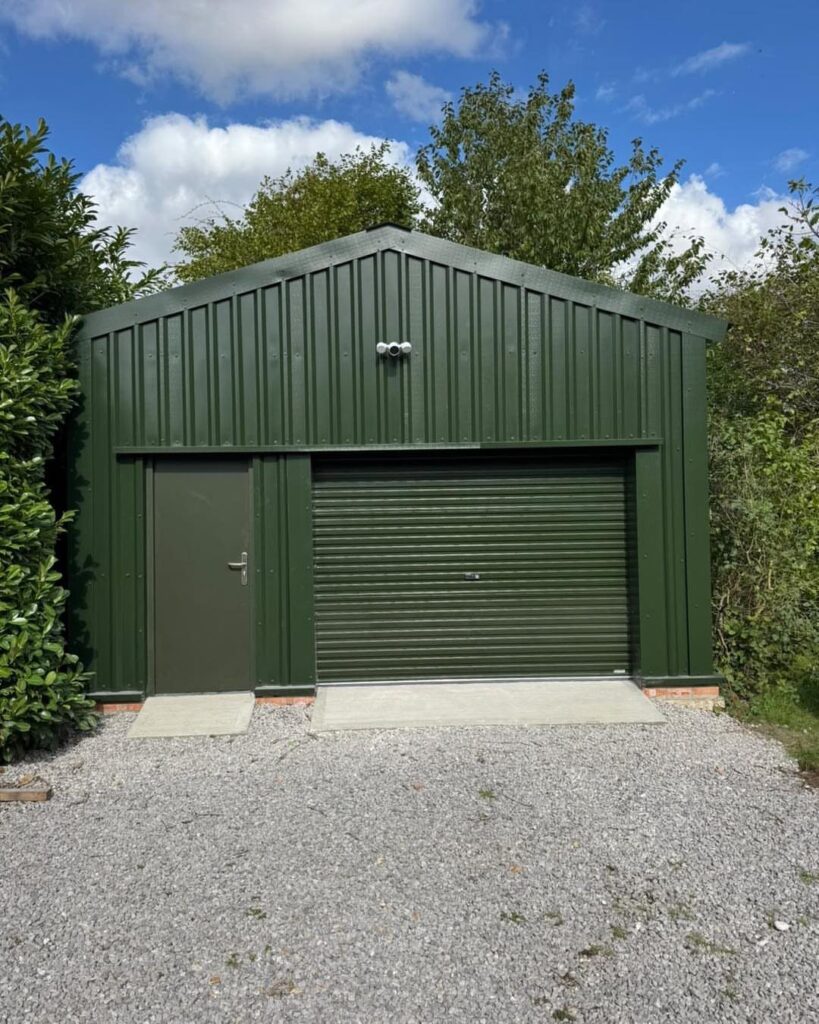
A painted shed can read like a garden bench that belongs where it sits, or like an object dropped from somewhere else.
The deciding factor is whether you want the structure to sink into its surroundings or stand apart from them.
Forest green under oak trees borrows from what is already growing; black against red tulips turns the contrast deliberate and almost graphic.
[link-whisper-related-posts]1. Forest Green
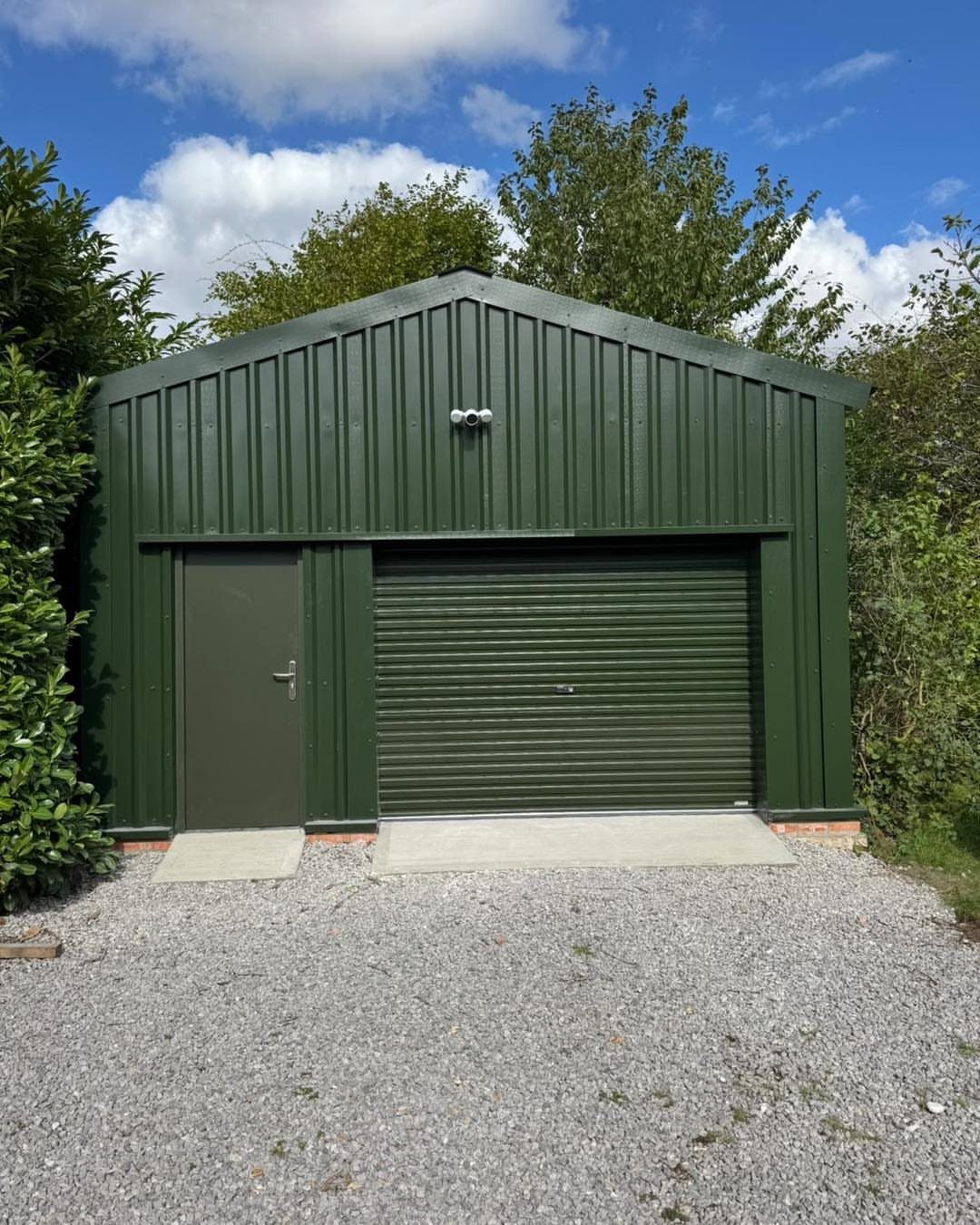
A forest green shed sinks into its surroundings the way a garden bench does, becoming part of the yard rather than sitting on top of it.
A deep forest green holds up under tree cover where lighter colors wash out, and it stays clean on metal siding without slipping toward mud.
Behr’s Mountain Pine or Benjamin Moore’s Salamander both hit this register without drifting toward teal or olive.
Matte black or bronze hardware sharpens the edges if you want a more current feel. I would skip this one only if your shed sits in full sun against pale siding; then the green can read heavier than intended.
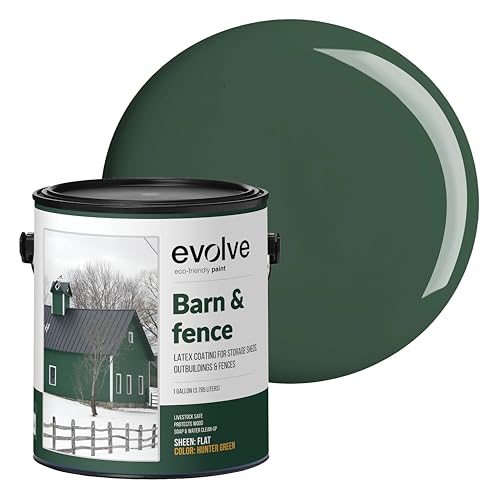
ELEVATE OUTDOOR STRUCTURES: Refresh barns, fences, sheds, and exterior surfaces with durable paint that delivers long-lasting color and protection.


Excellent hiding power and coverage, works on metal, wood and plastic works on nature blinds, hunting equipment, vehicles, boats and more
2. Classic White
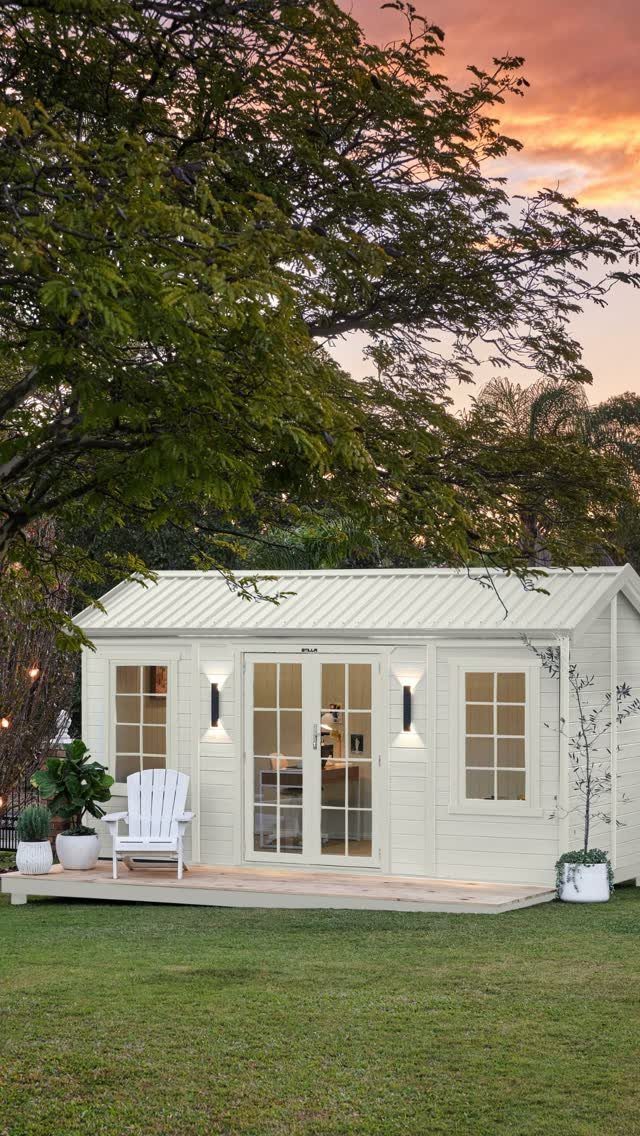
White paint on a shed does what white paint on a ceiling does: it opens the space up and forgives a lot.
Older boards, uneven joints, and the general wear of a structure that has been standing for years all soften under a coat of crisp white.
Behr’s Ultra Pure White stays flat bright, while Benjamin Moore’s Dove White carries a hint of warmth that keeps it from looking sterile against green grass.
Either way, the finish matters more than the exact shade. A satin or eggshell exterior paint will shed water and resist the mildew that loves to colonize the north side of any outbuilding.

Ready to use, pre-mixed door and trim paint offers a fresh new look on interior or exterior metal, wood and fiberglass

Made in United States

Weather and corrosion resistant coating protects exterior/interior surfaces like wood, metal, concrete, masonry and more
3. Two-Tone Combinations
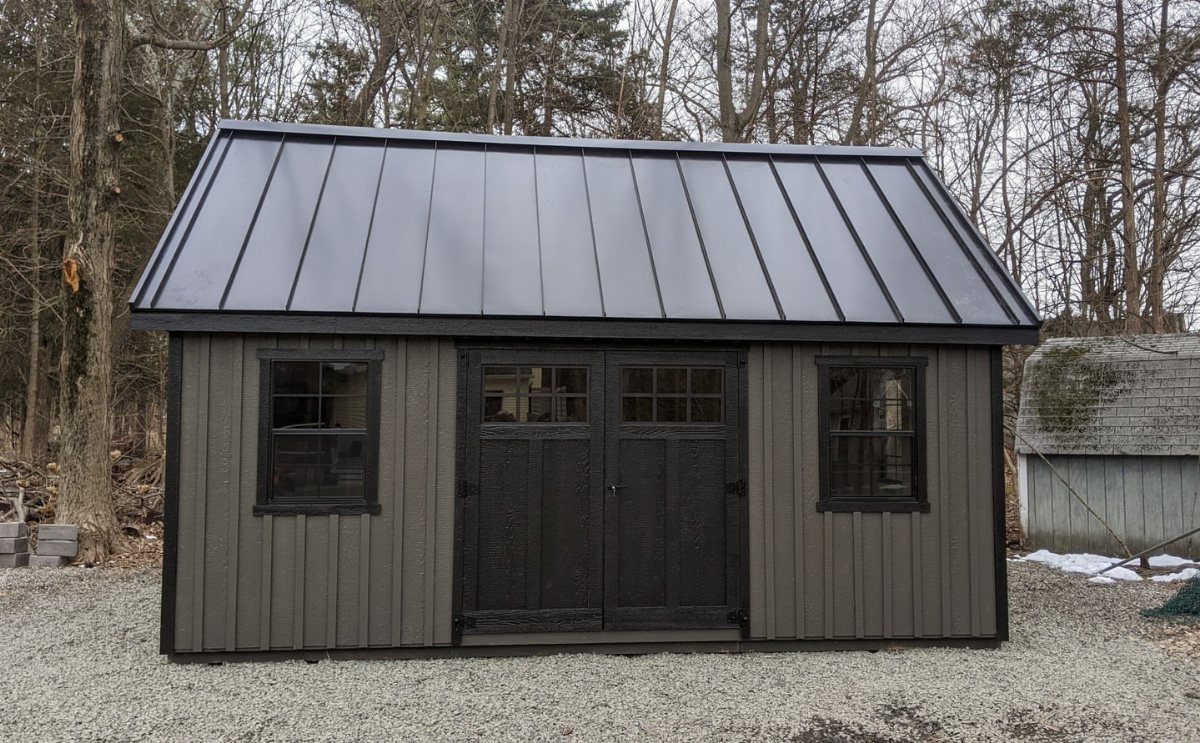
Two-tone work lets you treat the shed like a small house and give it proper trim.
One reliable formula is a quieter main color with darker accents that define the edges: brownish-grey on the body, black on the doors, windows, and roof line.
Grey or green siding with white trim is the other classic pairing, and it reads more cottage than contemporary.

Ready to use, pre-mixed door and trim paint offers a fresh new look on interior or exterior metal, wood and fiberglass

Use for a variety of indoor and outdoor project surfaces including wood, metal, plaster, masonry or unglazed ceramic

Flows on smoothly and dries to a tough, durable finish
4. Eye-Catching Black
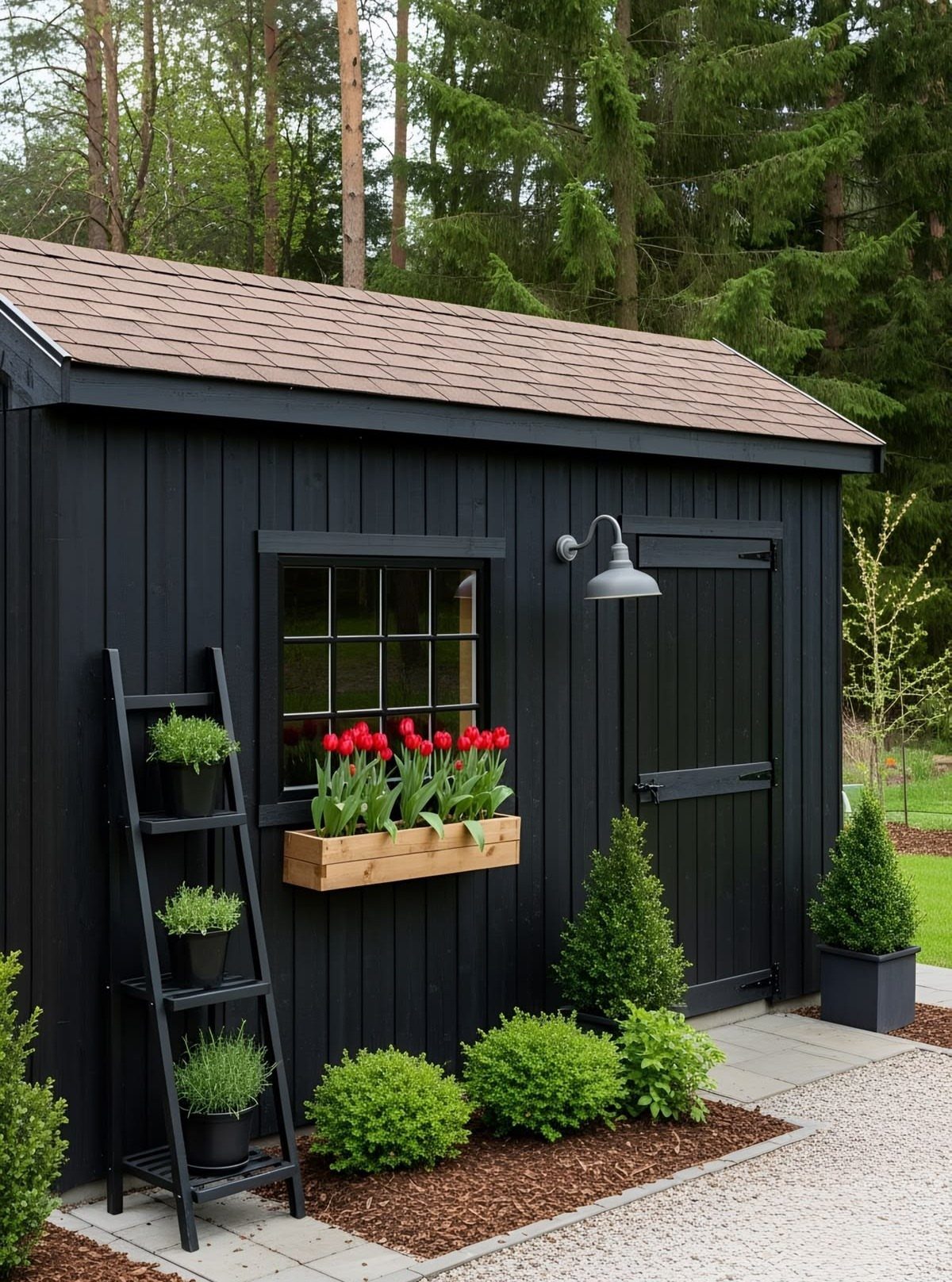
Black turns a shed into a deliberate object, something placed rather than built. Against red tulips or a green lawn, the contrast is immediate and almost graphic, which suits modern landscaping better than an English garden.
Benjamin Moore’s Onyx is the go-to interior black that also works outside; Rust-Oleum’s Gloss Protective Enamel is cheaper and tougher but reads shinier, which may or may not be what you want.
Matte black paint on vertical siding gives the shed a clean, modern read from a distance without any trim to break the lines.
I would test this one on a small patch first; black shows every pollen streak and dust mark, and some yards generate more of both than others.

Ready to use, pre-mixed door and trim paint offers a fresh new look on interior or exterior metal, wood and fiberglass

CABINET TRANSFORMATION: Refresh outdated cabinets, vanities, furniture and trim with rich Cadet Gray color and a smooth semi-gloss finish

5. Light Sage Green
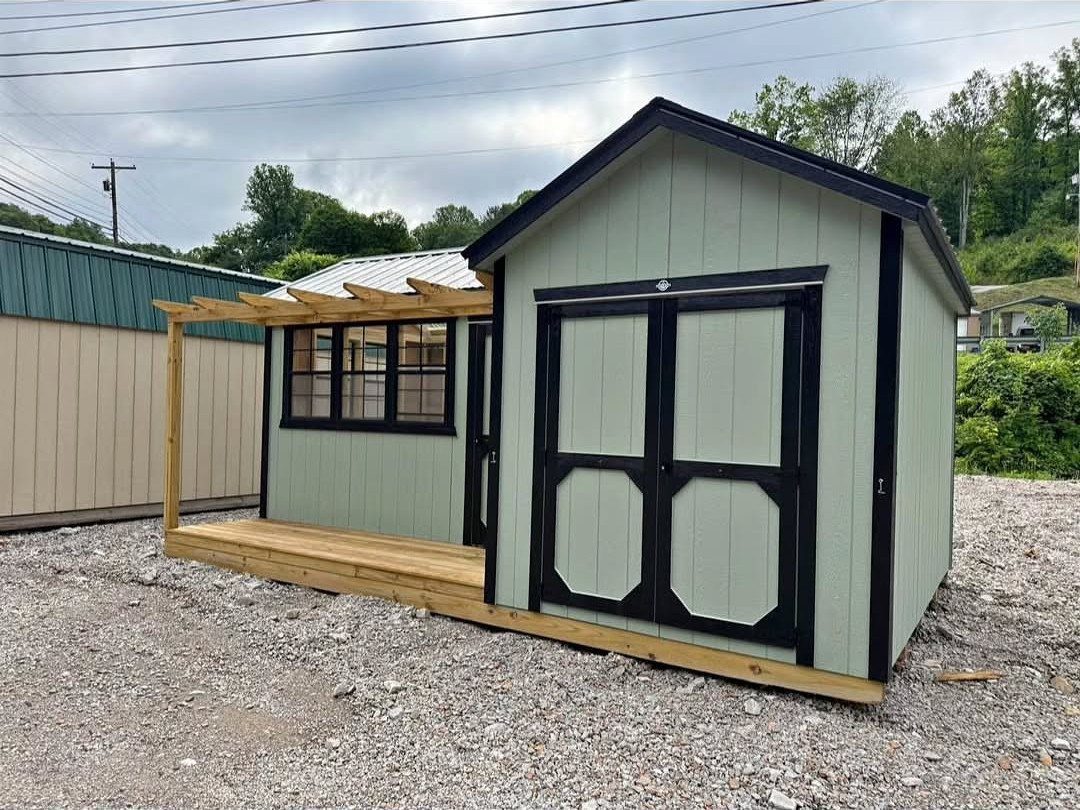
Light sage green sits in a middle ground between the depth of forest green and the grey drift of eucalyptus, a natural tone that does not demand too much commitment.
Black trim and a small pergola give light sage green a finished look that a single color would not manage on its own.
Matte black or bronze hardware continues the theme from the trim into the latches and hinges. The lighter tone stays visible in shade and does not compete with flowering plants the way a bolder green might.

😼 Good Quality Materials: Our door trim molding is made of high grade PVC galvanized soft plastic material, which has excellent anti-aging and anti-deformation excellent performance. It ensures durability and long service life no matter how harsh the weather and environment is, providing quality decorative protection for your vehicle!

Suitable for interior/exterior metal or wood surfaces such as doors and shutters

INTERIOR/EXTERIOR: KILZ TRIBUTE Trim, Door & Cabinetry paint features a unique formula developed to offer the best characteristics of interior and exterior paint in one convenient product.
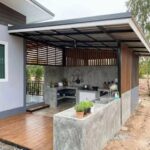
6. Neutral Light Beige
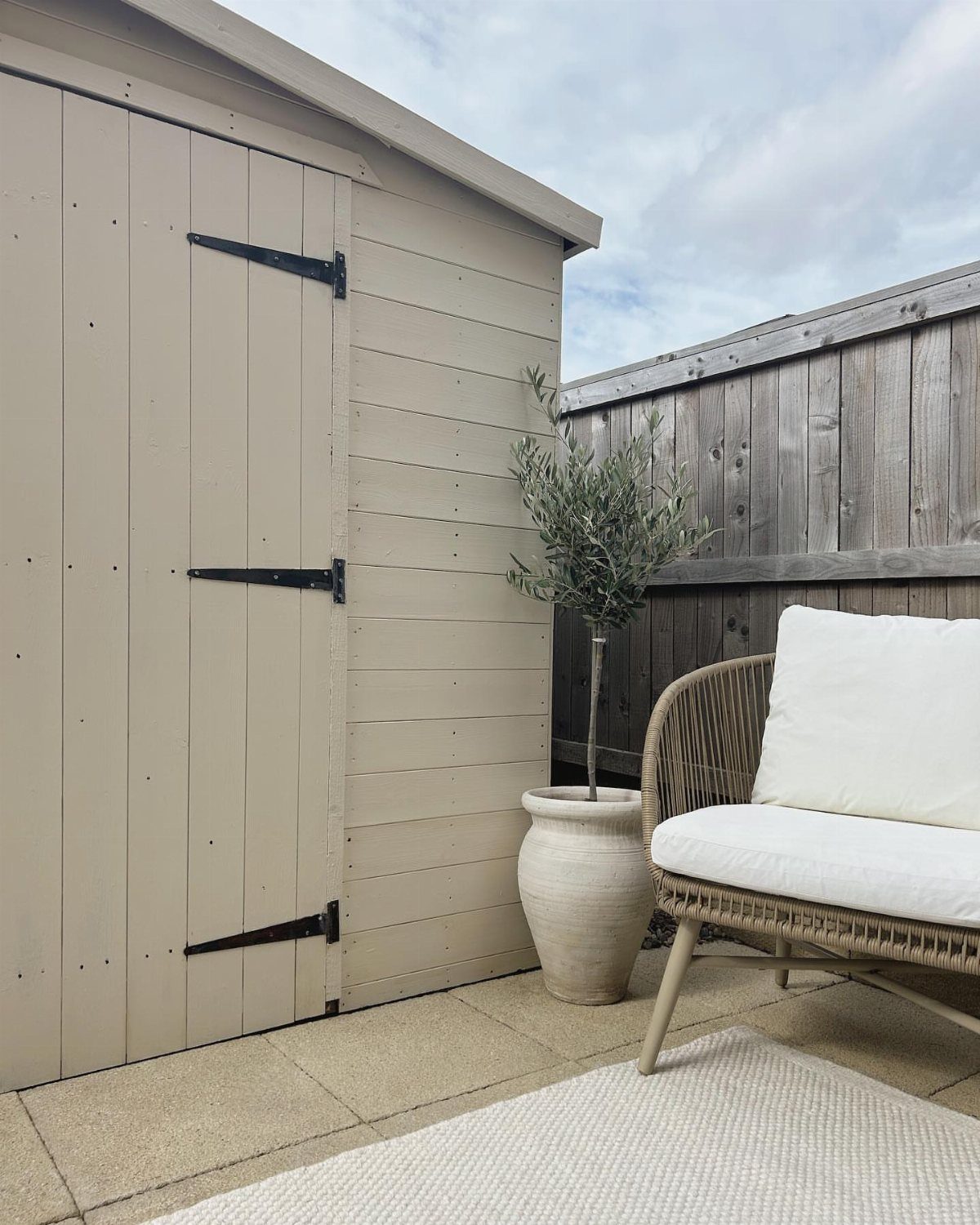
Light beige or cream lets the garden do the talking. Light beige steps back so plants and furniture read first, the way a potted olive tree and a chair with white cushions do beside this shed.
Black strap hinges add the punctuation; without them, the whole thing could wash out against pale stone or gravel. A neutral this light also takes white trim well if you want more definition, though the photo keeps it simple.
This is the choice for a small shed that you do not want to dominate the yard, or for a space where you will be storing pots and tools rather than working and want the visual volume kept low.

ALL-IN-1 PAINT & PRIMER: A hardy multi-purpose and multi-surface one-coat paint and primer in one for almost any indoor or outdoor surface. A wall, ceiling, floor, skirting board, cabinet, furniture and door paint for your bathroom, kitchen, home and garden.
ALL-IN-1 PAINT & PRIMER: A hardy multi-purpose and multi-surface one-coat paint and primer in one for almost any indoor or outdoor surface. A wall, ceiling, floor, skirting board, cabinet, furniture and door paint for your bathroom, kitchen, home and garden.

Extremely durable outdoor paint ideal for use on properly prepared exterior wood, brick, masonry, concrete, weathered aluminum, weathered vinyl siding*, and primed metal substrates
Choosing the Right Paint
Exterior acrylic latex paint is the type most often recommended for sheds because it flexes with the wood instead of cracking when the boards swell and shrink.
A formula with a built-in primer saves a step, though a separate primer still gives better adhesion on bare or weathered wood.
The finish matters as much as the color: satin or eggshell sheds water and resists mildew on the north side where sun never reaches, while matte finishes stay low-glare and current.

ALL-IN-1 PAINT & PRIMER: A hardy multi-purpose and multi-surface one-coat paint and primer in one for almost any indoor or outdoor surface. A wall, ceiling, floor, skirting board, cabinet, furniture and door paint for your bathroom, kitchen, home and garden.

PREMIUM EXTERIOR & INTERIOR BLACK PAINT: Kompozit ONE Paint & Primer is a high-quality, Made in USA, 100% acrylic coating, perfect for both exterior paint and interior paint projects, offering exceptional durability and finish.

MADE FOR EXTERIOR MASONRY: Designed for concrete, cement, brick, stone, stucco and masonry walls. Ideal for refreshing exterior walls, facades, garden walls and other properly prepared vertical masonry surfaces.
Preparation for Painting
I start every paint job by washing the surface with a stiff brush and plain water, then letting it dry a full day.
Pressure washing works too, but it can drive water into joints that will blister the new coat later.
Sanding follows wherever the old finish is rough or flaking.
I use 80-grit to knock down the worst spots, then 120-grit to smooth. A paint sprayer reaches the corners and trim gaps that a brush leaves half-coated, though I still back-brush for even film thickness.
Primer is non-negotiable on bare wood or anywhere the old stain has worn through.
It seals the grain so the topcoat does not sink in unevenly, and it gives the color coat something to grip. One coat is enough if it covers uniformly; two if the wood is thirsty or patchy.

ALL-IN-ONE SPRAY PAINT – Krylon All-In-One Spray Paint delivers best in class adhesion, durability, and rust protection. The aerosol spray paint offers a broad color palette with multiple finishes and sheens for indoors and out.

Weather and corrosion resistant coating protects exterior/interior surfaces like wood, metal, concrete, masonry and more

BRUSH ON PAINT – Krylon COLORmaxx Acrylic Latex Brush On Paint delivers premium coverage and superior color with adhesion and durability. This acrylic latex paint can be used on wood, metal, wicker, plastic/ceramic, wrought iron, drywall and masonry.
Eco-Friendly Options
Low-VOC exterior paints have improved enough that I no longer treat them as a compromise.
The volatile compounds that make traditional paint smell sharp and linger for days are reduced by regulation, and the better formulas now match standard paint for coverage and durability.
They cost a few dollars more per gallon, which matters on a shed only if the surface area is large. For a small outbuilding the difference is minor, and the air clears faster while you work and after.

Includes 30 featured and newest released color card. Sprayed on color to see our colors in your homes lighting for more accurate color choices.

ENAMEL FLOOR PAINT: Provide your floors with an extremely durable and long-lasting finish using California Paint ALLFLOR Porch, Patio and Floor Enamel Paint.

INTERIOR/EXTERIOR: KILZ TRIBUTE Trim, Door & Cabinetry paint features a unique formula developed to offer the best characteristics of interior and exterior paint in one convenient product.
Color Matching
The shed does not need to match the house exactly, but it should belong to the same family.
If your siding is warm beige, a cool grey shed will look like it wandered in from another yard. Pull a color from the roof, the trim, or the foundation instead; those tones already repeat across the property.
For contrast that still reads as intentional, look at what is growing.
A black shed against red tulips works because the colors oppose each other cleanly; a forest green shed under oak trees works because it borrows from what is already there. Either choice succeeds when it is deliberate.
Matte and satin finishes are the current standard for exterior paint; glossy surfaces catch light unevenly and read older than they are.

Fitment: Compatible with Chevy Impala 2014 2015 2016 2017 2018 2019 2020

【High Quality Material】: Our products are made of PVC material. PVC has good stability, which can make our products maintain their performance and appearance even after long-term use, thus effectively prolonging the service life of our products. PVC material has good waterproof performance, which makes our products can effectively prevent the entry of water, thus playing a good role in protecting.

Reliable Material: This car door seal is made of rubber material. The rubber material has good elasticity and deformation recovery ability, which can closely fit the door frame and form an effective sealing layer. This sealing performance can effectively prevent outside dust from entering the car, thus keeping the interior space clean. The rubber material has good abrasion resistance and can resist friction and abrasion during door opening and closing.
Frequently Asked Questions
What paint for an outside shed?
Exterior acrylic latex paint is the type most often recommended because it flexes with the wood instead of cracking when boards swell and shrink.
A paint-and-primer combo cut out one trip around the shed for me, though on bare or badly weathered wood I still roll on a separate primer first and let it cure overnight.
Satin or eggshell is what I reach for on the north face where mildew sets up shop; the slight gloss lets water bead and run instead of soaking in.
Should your shed be the same color as your house?
It does not need to match exactly, but it should belong to the same color family so it looks intentional rather than accidental.
For contrast that still feels planned, I look at what is already growing around the spot: deep green fades into oak shade, and black turns almost graphic against a bed of red tulips in spring.