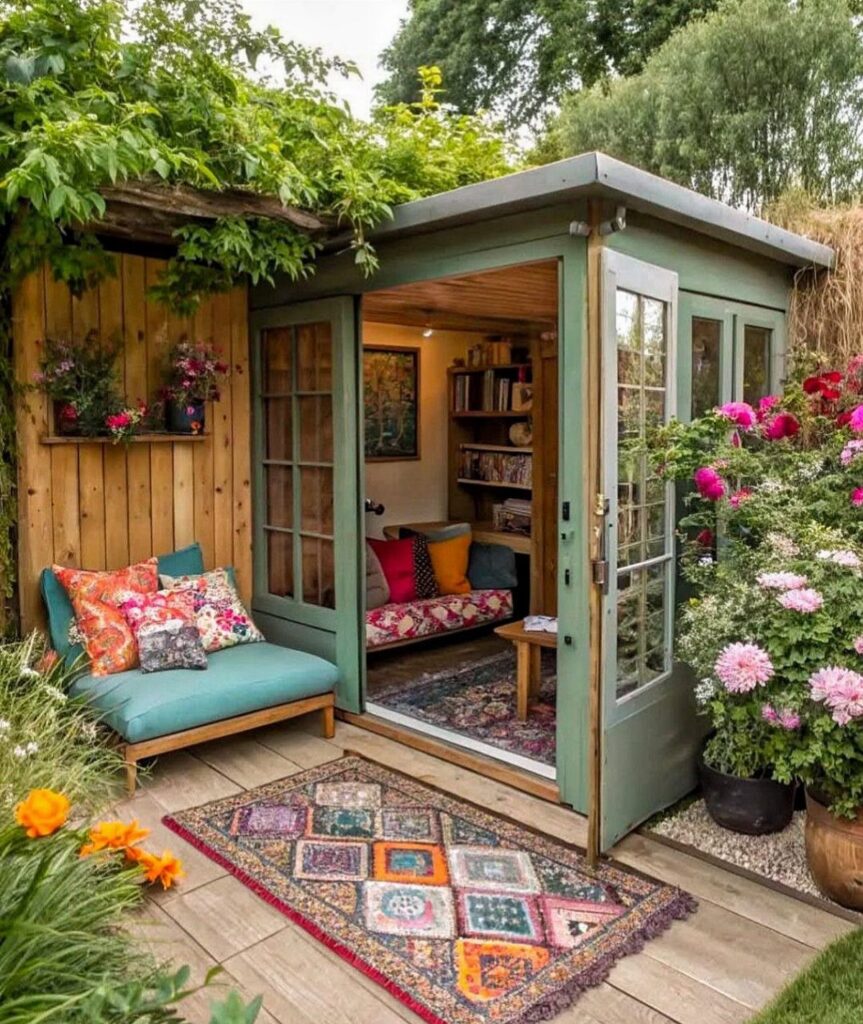
These 8 book shed ideas run from a weekend of cutting pallets to a full insulation job with load-rated hinges, and the one that fits you depends on whether you need the books out of the house entirely or just out of the way.
[link-whisper-related-posts]1. Shelves for Organizing Books
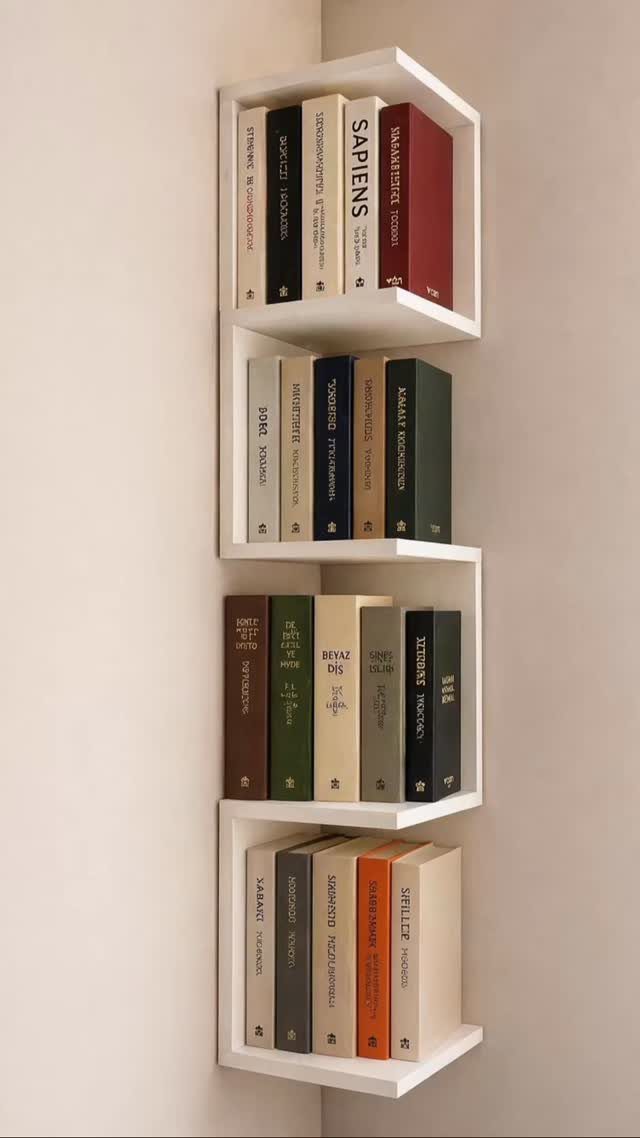
A zig-zag corner shelf turns dead wall space into storage without eating floor area you do not have in a 10×10 shed.
Floor-to-ceiling runs add presence; keeping everyday reads at arm’s reach and decorative volumes higher up balances access with display.
Wooden crates or pallets cut to size work if you are building rather than buying, and a narrow ledge just below a window ledge frames the glass while holding your current stack.

Small Bookshelf for Small Spaces: Featuring a compact design, the floor standing tree bookshelf optimizes floor space, making it an excellent choice for bedrooms, home offices, corners, hallways, or smaller living rooms. This narrow small bookcase organizer provides ample storage for books, CDs, game cassettes, decorations, and more. Keep your belongings stylishly organized, ensuring a neat and clutter-free space. ( Book shelf dimensions: 47.4"H*14.6"L*"7.9"W )

Versatile Duo for Flexible Configurations: This 4-Tier corner shelf wall-mounted offers flexibility to suit your needs. Whether it's for display in your living room, bedroom or for storage in your study, this set of 2 floating corner shelves creates a more organized space and enhances your lifestyle
2. Rug for Comfort
A woven rug over plywood or concrete keeps the floor from leaching warmth in cooler months and gives you somewhere tolerable to sit if you read stretched out.
Match the tone to your chair so the 2 pieces read as intentional rather than leftover. Shag piles higher if floor-sitting is your habit; flat-weave stays cleaner under traffic.

Durability & Safety: Crafted from 70% Polypropylene / 30% Polyester with a sturdy jute backing, this low-pile, no-shedding rug is built for high-traffic spaces like living rooms, hallways, and entryways. Safe for kids and pets, OEKO-TEX certified, and ideal for everyday family life. Use with a rug pad to prevent shifting and protect floors.

[EASY CARE & MACHINE WASHABLE] This rug is designed for real life; for daily upkeep simply vacuum or shake out dirt; for spills machine washable design makes cleanup a breeze use cold water on a gentle cycle no bleach and always air dry; crafted from soft faux cashmere fabric you can also shake dust off outdoors by gently tapping the rug for quick refresh; this low-maintenance rug saves you time and worry returning to perfect shape after every wash

Durability & Safety: Crafted from 70% Polypropylene / 30% Polyester with a sturdy jute backing, this low-pile, no-shedding rug is built for high-traffic spaces like living rooms, hallways, and entryways. Safe for kids and pets, OEKO-TEX certified, and ideal for everyday family life. Use with a rug pad to prevent shifting and protect floors.
3. Door That Looks Like a Bookcase
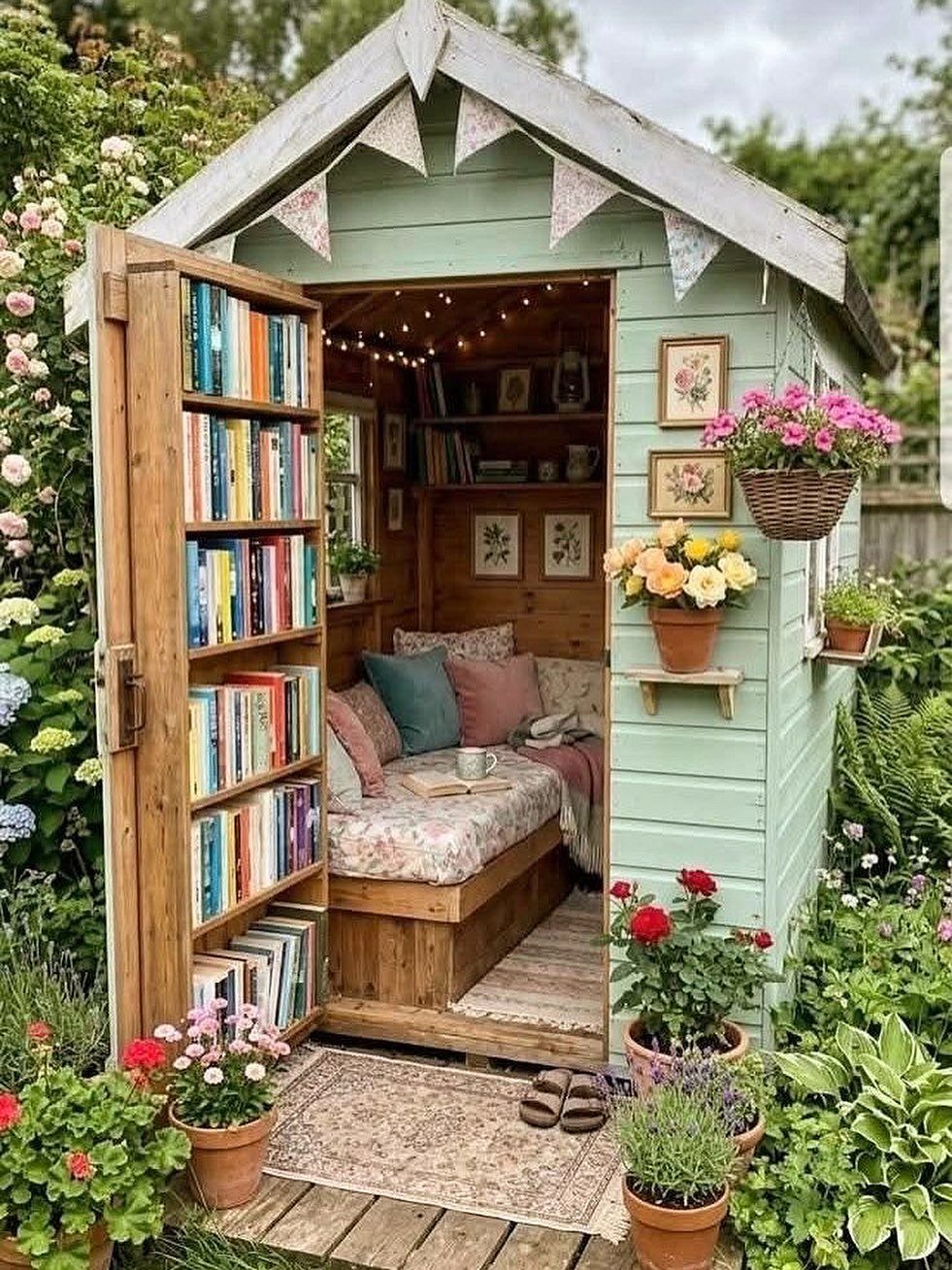
A door built to look like a bookcase turns the threshold itself into a booklover’s gesture.
Hinges matter more than you’d think: a door frame loaded with books weighs serious pounds, and standard hardware will sag or snap, so I check the load rating on the spec sheet before I pick a set.
A sliding barn door painted with a mural is the fallback if a full disguise is too much joinery for one weekend.
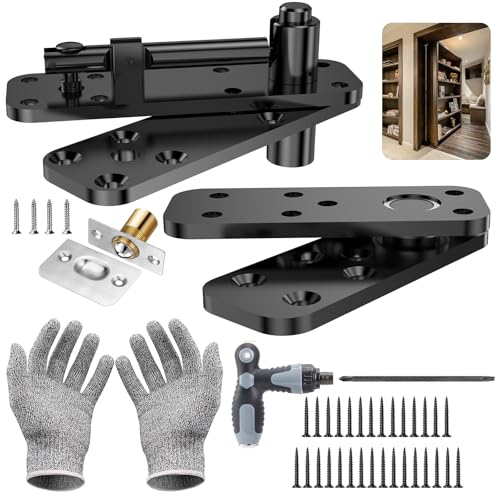
【Package Included】- The hidden door hinge set included 1 set heavy-duty pivot hinge with 30 screws, which with top and bottom hinge; 1 ball catch hardware with 4 screws; 1 screwdriver.

Heavy Duty and Durable Material: Crafted from solid 304 stainless steel, this hidden door pivot hinge is engineered to support up to 570 lbs. The high-quality construction ensures exceptional strength and longevity, effectively preventing rust and breakage. Whether you are building a heavy hidden door or a bookshelf door, this hidden door hinge provides the robust support needed for long-term reliability

4. Insulate Walls
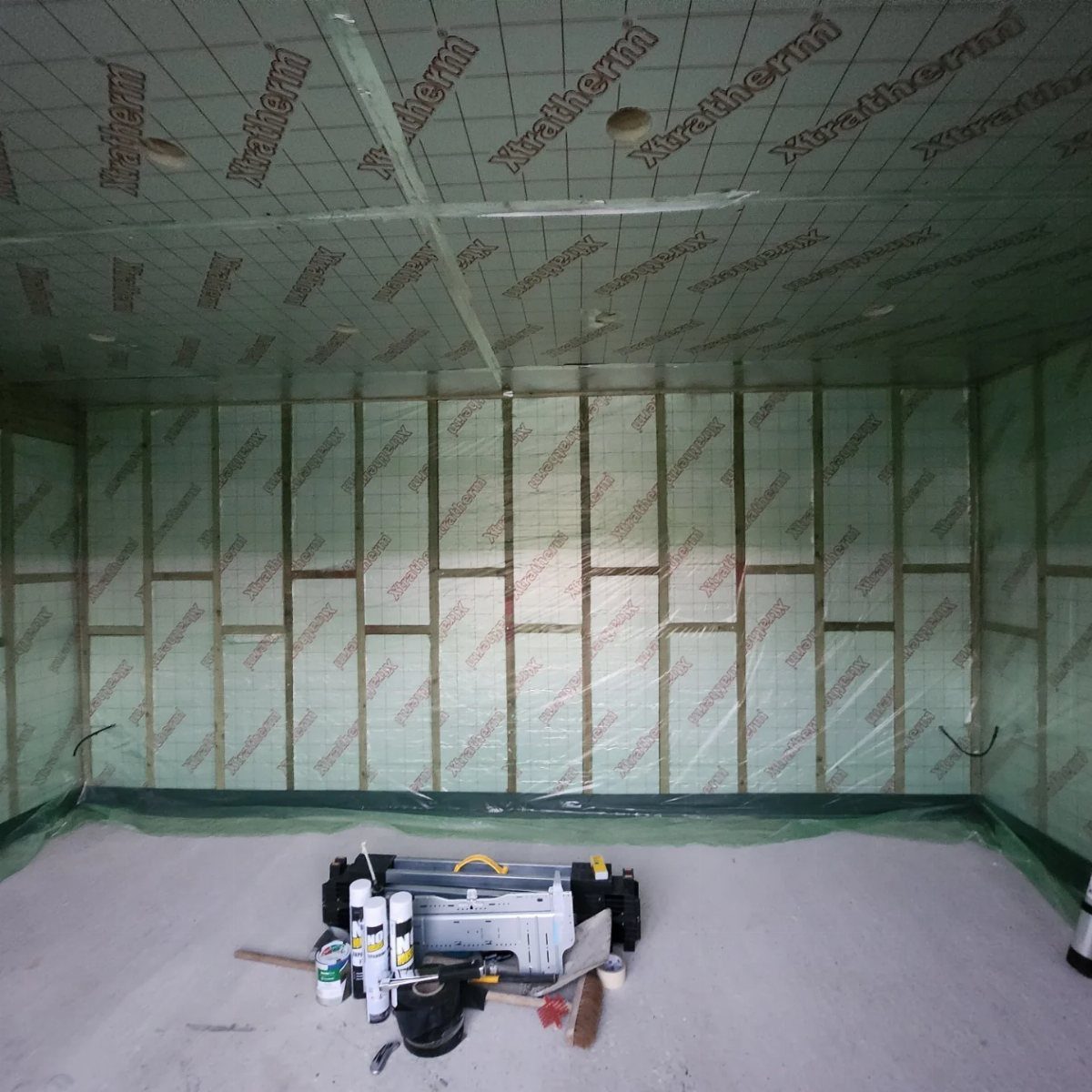
Green Xtratherm boards between studs and across the ceiling keep the interior stable enough for paper to survive without warping or mildew.
Plastic sheeting over the insulation handles the vapor barrier in one pass. The work is dusty and slow, but uninsulated walls will cost you books and comfort alike.

Premium Materials: You will receive 3 roll of vapor barrier tape, each measuring 4 inches × 180 feet with a thickness of 9 mils. It offers extensive coverage and exceptional physical strength, featuring tear resistance, abrasion resistance, and long-lasting durability

HEAVY DUTY 9 MIL VAPOR BARRIER TAPE — Our 4-inch wide x 180-foot long white polyethylene seam tape delivers superior moisture protection with a thick 9 mil construction. Designed for crawl space vapor barrier installation, this waterproof tape creates a durable, long-lasting seal that blocks moisture infiltration and protects your home from water damage.
5. Built-In Reading Nook Bench
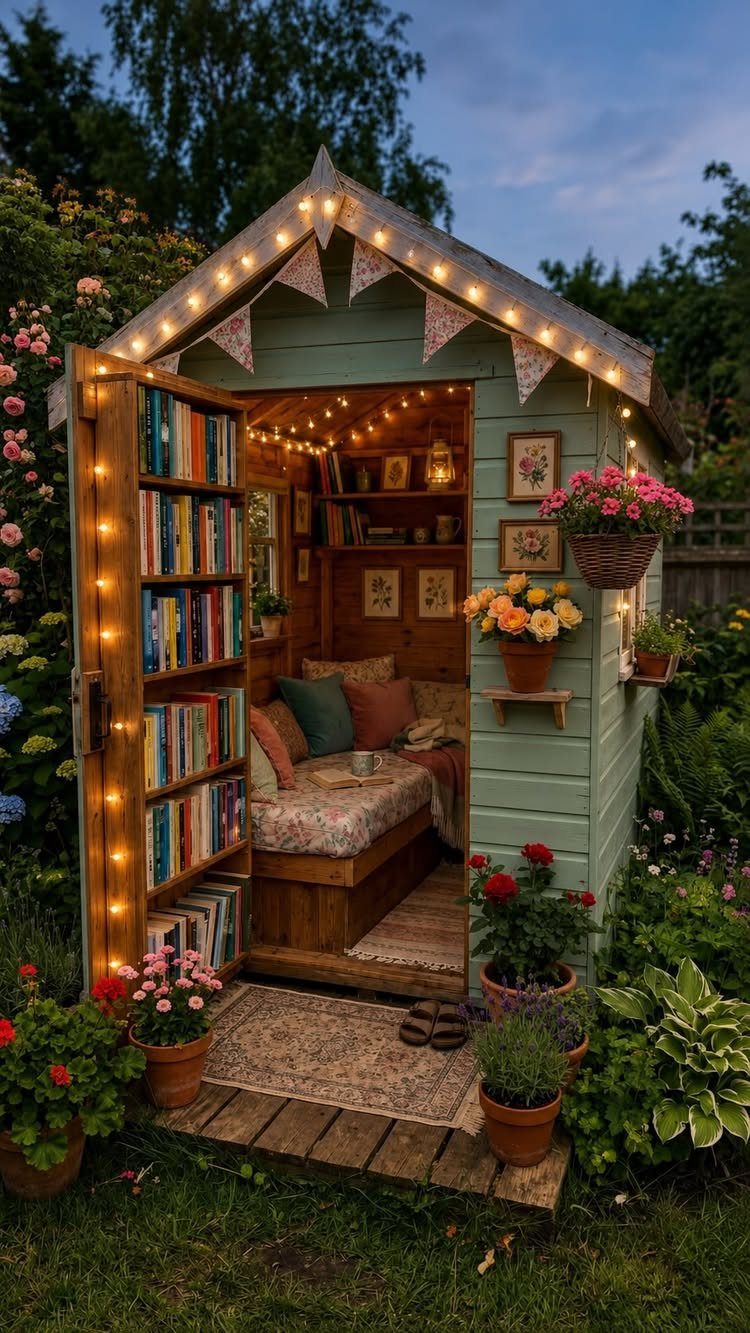
A built-in bench with storage underneath uses the full depth of a shed wall that a freestanding chair would waste. Cushions, pillows, and a string of lights turn the box into somewhere you actually want to sit.

All-Weather Protection for Everyday Outdoor Living: Built for real outdoor use, this patio bench cushion features water-resistant, tear-resistant fabric that stands up to light rain, sun, and daily wear. Ideal for front porch, deck, terrace, sunroom, garden, or backyard seating, it helps protect your outdoor furniture seating so it stays looking great season after season
6. Tree-Shaped Statement Bookshelf

A tree-shaped shelf sculpts storage into wall art, but the branches dictate book sizes: deep spines or oversized art books will not fit where the form narrows.
Check your collection against the shelf dimensions before ordering or cutting; this piece suits paperbacks and slim hardcovers best, and it needs a stud or solid backing to carry the weight of a full load.
7. Garden Shed Reading Room
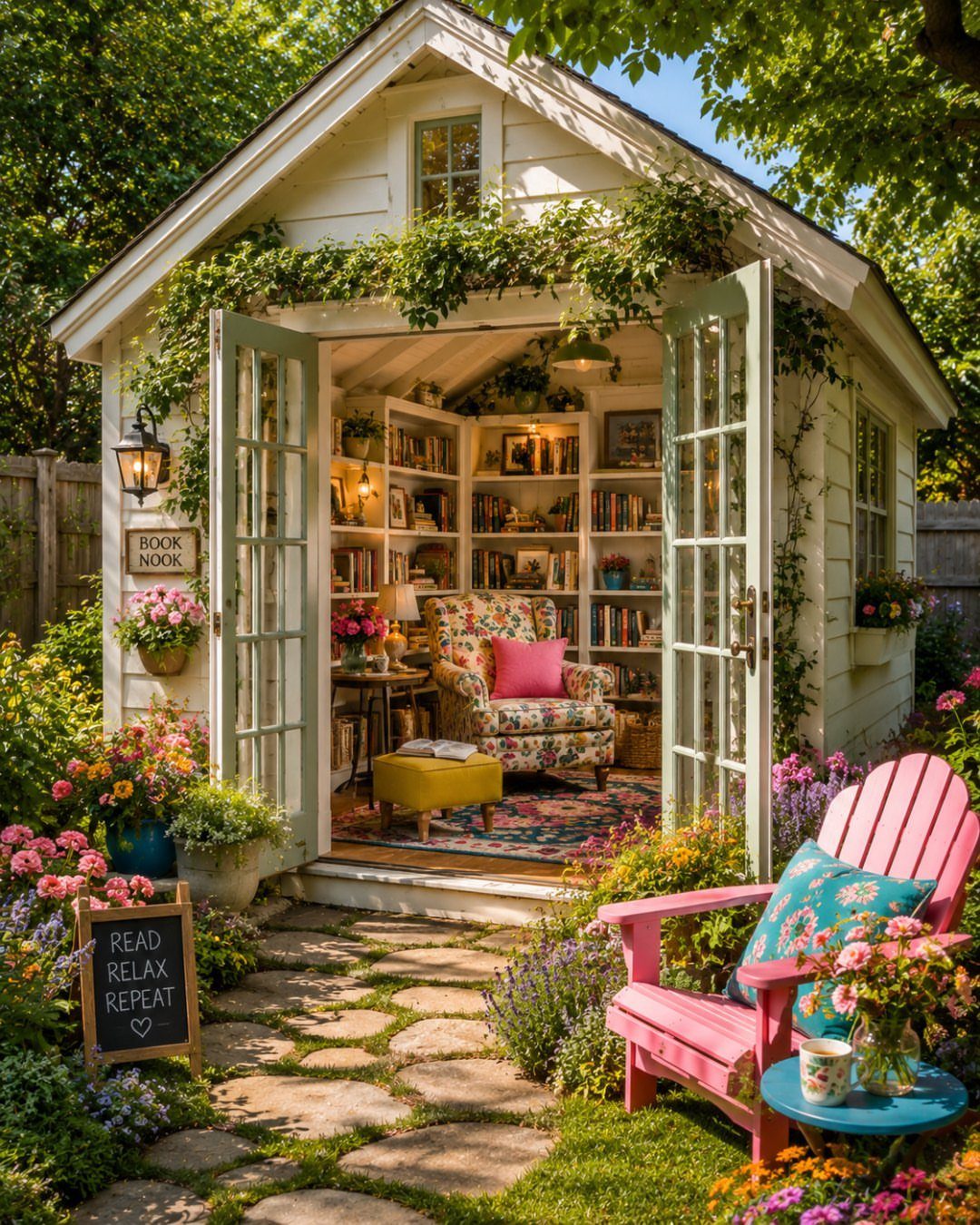
A garden shed reading room keeps your books out of the house entirely, which matters when shelf space is already gone and you still buy paperbacks faster than you finish them.
A skylight overhead is worth adding if the shed came without windows large enough to read by.
Position your chair directly under it; the light falls over your shoulder instead of casting your own shadow across the page. The overhead glow on a quiet morning does more for the room than any paint color.
Without a skylight, a deep armchair angled toward whatever window you have will do, layered with a throw and a cushion you do not mind leaving outside. The "BOOK NOOK" sign is optional; the separation from household noise is not.
8. Daybed Reading Nook

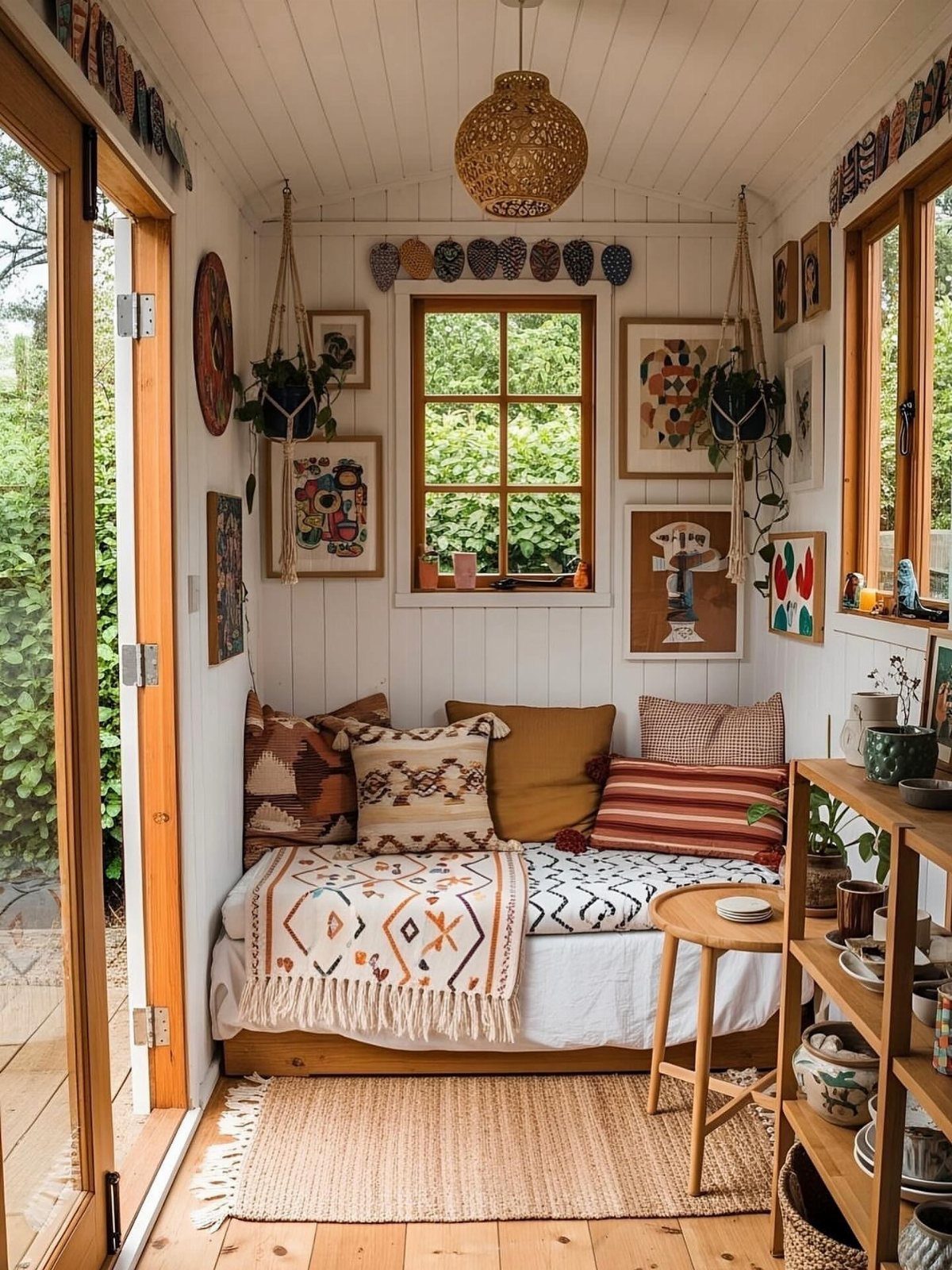
A daybed reading nook fills a shed the way a chair cannot, giving you room to stretch out, nap, or spread notes for a book club pick you are pretending to finish.
Fairy lights on ceiling beams add warmth after sunset without the heat of a lamp you might knock over half-asleep.
Check that any string you choose is rated for enclosed spaces; shed wiring is often basic and you do not want a short across paper and bedding.
A deep armchair by a window is the fallback if a daybed eats too much floor space.
A bench with storage underneath is the practical choice; this version invites you to stay horizontal instead. Pick based on whether you read sitting up or wake up with a crease down your cheek and the light still on.

Hidden Door Hinges for Secret Door: Upgrade your woodworking projects with our premium pivot hinge. Designed for seamless integration into Invisible door bookcase and bookshelf door setups, these heavy-duty hinges ensure smooth, quiet operation when rotated, Ideal for DIY enthusiasts seeking durable hidden door bookcase

DESIGN PATENT No: D920075 - TamBee design patent product, please purchase with TamBee brand
Benefits of a Library Shed
The books stay where you left them, the chair stays angled to the light, and nobody moves your bookmark to vacuum.
That separation also protects the books themselves. Paperbacks stacked in a closet or basement fight humidity and temperature swings; a shed you insulate and seal keeps the collection stable without commandeering closet space your household actually needs.
For anyone who writes, draws, or takes notes while reading, the same 4 walls serve as a studio.
The table holds a laptop or sketchpad alongside the open book, and the door closed behind you signals that this hour belongs to that work.
The shed does not need to be large to serve both purposes; a 10×10 footprint gives enough room for shelves along 2 walls, a chair, and a small work surface without feeling cramped.


Design Considerations
Natural light should hit the page from behind or beside you, never from the front.
A skylight positioned over the reading chair sends daylight straight down, which means you’ll want to angle the seat slightly so the light hits the page without your shadow blocking it.
Without one, a window on the shed’s north side gives steady, indirect brightness in the Northern Hemisphere without the glare and heat that south-facing glass pours in during afternoon hours.
Insulation does more than keep you comfortable.
Personal style shows in what you build versus what you buy.
Wooden crates cut to size carry the same books as factory shelving; a door disguised as a bookcase costs more in hardware than in lumber if you check the hinge load rating before buying.
The choice between built-in and freestanding is the choice between using the full wall depth or keeping the option to rearrange.
All-Weather Protection for Everyday Outdoor Living: Built for real outdoor use, this patio bench cushion features water-resistant, tear-resistant fabric that stands up to light rain, sun, and daily wear. Ideal for front porch, deck, terrace, sunroom, garden, or backyard seating, it helps protect your outdoor furniture seating so it stays looking great season after season

Custom-designed to fit any seating space—a bespoke bench cushion is made to your exact dimensions. Suitable for bay windows, window seats, breakfast nooks, booths, entryway benches, foyer seating, storage benches, and kitchen/dining areas. Choose your preferred size and thickness to transform a hard surface into a comfortable seat

Excellent Fabrics: Bench Cushion is made of new Polyurethane Foam and linen cover, with Good Rebound Effect, relaxing your hips; Bench cushion is mainly suitable for indoor furniture, not waterproof, try not to place it outside to avoid soaking it
Budget-friendly Options
Crates and pallets cut to size work for shelving when the budget runs tight and the hands-on time is available.
Building your own shelves from rough-sawn lumber costs less than buying them finished, and the rustic surface looks right at home in a shed where polished plywood would feel out of place.
For seating, the daybed and built-in bench in the list both use the same principle: build in what you cannot afford to buy finished.
The rug and throw layers matter more than their source.
Budget-friendly book sheds rely on rugs, cushions, and throws that are not permanent investments; they are the soft layer that makes the hard structure habitable, and they can move with you if the shed does not.
Creating a Cozy Atmosphere
Rugs, seating, and lighting layers are listed separately above, but they work together as a system. The rug insulates the floor, the chair or daybed gives you a position to read from, and the light lets you stay past sunset.
For the lighting layer specifically, the list suggests fairy lights on ceiling beams after dark and a skylight or window for day.
LED strips under shelves are another option: they highlight spines you would otherwise squint at and add a glow that does not compete with the reading lamp.
Warm-toned bulbs keep the space calm; anything above 3000K starts to feel like a workshop.
The throw and cushion you leave outside need to survive damp mornings. Synthetic fill dries faster than down, and a weave tight enough to brush clean saves you from hauling upholstery indoors every evening.
Frequently Asked Questions
What is a place where books are stored called?
Most people call it a library, but a shed works when your shelves at home are full and you need the overflow close by. The term applies whether the storage is a room, a building, or a converted outbuilding.
How to organize a 10×12 shed?
Floor-to-ceiling shelves along walls maximize vertical space without eating floor area you need for seating. Put the books you grab daily where you can reach them from your seat; keep the prettier spines up high where the light hits them.
A bench built into the wall with a lid over the cavity below turns dead space into hidden storage no folding chair could match.
Can I build a shed for $1000?
A few hundred to a thousand dollars is what I spend on the inside of a shed, not the shell; framing walls and adding climate control is a different budget entirely.
For the shell, that figure depends on size, materials, and whether you already own the tools; the text assumes you are fitting out a shed you have rather than building from scratch.
How to store library books at home?
Shelves are the starting point, but climate stability matters as much as support.
Closets and basements leave paperbacks at the mercy of summer damp and winter cold; insulation and a tight seal keep the pages flat and the bindings from going musty.
Rigid foam between the studs, taped at seams, plus a layer of plastic sheeting as a vapor barrier gets you there. The cutting and fitting takes a weekend and covers everything in dust.